
Quick answer (40‑60 words): Dialysis is usually started when eGFR falls below 15 mL/min/1.73 m² and the patient shows uremic symptoms such as nausea, severe itching, fluid overload, high potassium, or metabolic acidosis. Even with higher eGFR, urgent dialysis may be required for life‑threatening electrolyte or fluid problems.
Medical Review: Dr. Jyoti Bansode, MBBS, MD Medicine, DM Nephrology, with over 10 years of nephrology experience and more than 500 tunneled/Permacath catheter procedures, reviewed this content.
Dialysis is a life‑saving therapy that replaces the filtering function of kidneys when they can no longer remove waste, excess fluid, or maintain electrolyte balance. Deciding when to start dialysis involves a blend of laboratory numbers, patient‑reported symptoms, and overall clinical context.
Dialysis can be performed as hemodialysis (blood filtered through a machine) or peritoneal dialysis (fluid in the abdomen absorbs waste). According to Mayo Clinic, hemodialysis is typically recommended when eGFR is very low and patients experience symptoms such as nausea, vomiting, loss of appetite, weight loss, severe itching, tiredness, or confusion. It is also indicated for fluid overload, high potassium, or severe metabolic acidosis.
Estimated Glomerular Filtration Rate (eGFR) is the most widely used metric to gauge kidney function. Normal adult eGFR is >90 mL/min/1.73 m². Chronic Kidney Disease (CKD) is staged based on eGFR:
Guidelines from the National Kidney Foundation suggest that patients with Stage 5 CKD (eGFR < 15) are evaluated for dialysis or transplantation. However, the decision is not based on eGFR alone; clinical signs often drive the timing.
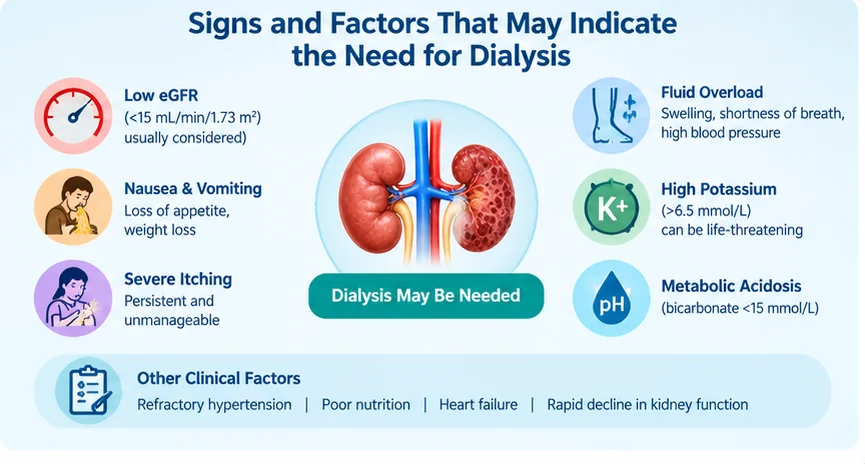
Even with an eGFR slightly above 15, dialysis may be necessary if severe symptoms cannot be managed medically. Key warning signs include:
MyNephrologist notes that emergency dialysis is often required when kidney function drops to 10‑15 % of normal and life‑threatening complications arise.
Several non‑laboratory factors influence the decision:
According to a PubMed study, early initiation of dialysis at eGFR > 10 mL/min/1.73 m² does not improve morbidity or mortality, underscoring the importance of symptom‑driven timing.
When dialysis is being considered, a comprehensive assessment is performed:
For a deeper dive on interpreting eGFR, see our eGFR explanation article. If you’re unsure whether your symptoms are kidney‑related, the early CKD signs guide can help you decide when to get tested.
Prompt referral to a kidney specialist is crucial. You should schedule an appointment if you:
Early nephrology involvement allows for education about dialysis modalities, vascular access planning, and potential transplant evaluation.
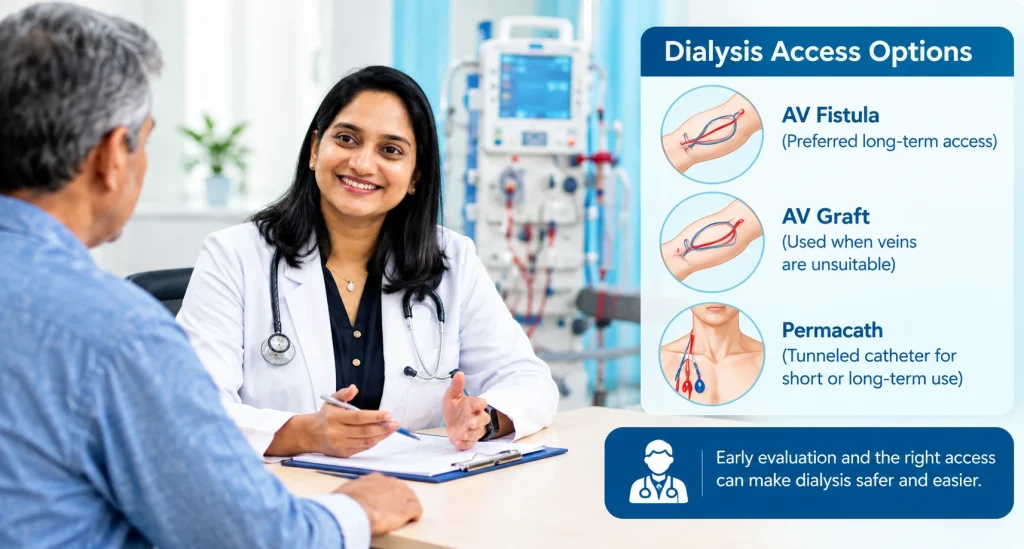
When dialysis becomes necessary, a reliable vascular access is essential. Options include:
Choosing the right access depends on urgency, vascular anatomy, and patient lifestyle.
Understanding when dialysis is needed empowers patients to act early, avoid emergency situations, and collaborate with their care team for the best outcomes.
Dialysis is most commonly considered when eGFR drops below 15 mL/min/1.73 m², especially if uremic symptoms or fluid overload are present.
Yes, if severe symptoms like high potassium, uncontrolled hypertension, or pulmonary edema occur, dialysis may be started at a higher eGFR.
Life‑threatening hyperkalemia, severe metabolic acidosis, pulmonary edema, or uremic encephalopathy are emergencies that need immediate dialysis.
A Permacath is a tunneled, cuffed catheter designed for longer‑term use, reducing infection risk compared with short‑term non‑tunneled catheters.
Yes. An eGFR of 25 indicates Stage 4 CKD, and early specialist care can help monitor progression and plan future access or transplant options.
Dialysis and kidney transplantation are the two main options; some patients may also be eligible for conservative management if they choose not to pursue dialysis
If you notice any of the symptoms above or your eGFR is falling below 20, contact a nephrologist promptly. Early evaluation can help you plan the safest, most comfortable dialysis start—or explore alternatives such as transplantation.
Plot no 70, Moreshwar Heritage, Sector 5, Ulwe, Navi Mumbai, Maharashtra 410206
For Booking: +91 8591009591
Chat With Us
Mini Sea Shore Road, Juhu Nagar, Sector 10A, Vashi, Navi Mumbai, Maharashtra 400703
Chat With Us