
When you receive a lab report that says your urine albumin is elevated, it can be unsettling. For people with diabetes, an abnormal urine test often points to microalbuminuria – a subtle but important sign of early kidney stress. This article explains what microalbuminuria in diabetes means, how the test is performed, how to interpret the numbers, and what steps you can take to protect your kidneys.
Microalbuminuria refers to a moderate increase in the amount of albumin – a small protein – that leaks into the urine. In healthy kidneys, less than 30 mg of albumin is excreted per gram of creatinine. When the level rises to 30–300 mg/g, the condition is called microalbuminuria; values above 300 mg/g are termed macroalbuminuria or overt proteinuria. According to early diabetes research, this rise is often invisible on a standard dipstick and requires a specific urine microalbumin test.
Elevated urine albumin is the first measurable sign that the tiny filtering units (glomeruli) in the kidneys are being damaged by high blood sugar. It also signals a higher risk of cardiovascular events. Detecting microalbuminuria early gives you a window to intervene before diabetic nephropathy becomes irreversible.
The most common screening method is a spot urine sample that measures both albumin and creatinine, then calculates the urine albumin‑to‑creatinine ratio (UACR). This ratio corrects for variations in urine concentration, making it reliable even when you haven’t timed the collection.
Most guidelines recommend an annual spot‑sample screening for adults with diabetes aged 12–70 years clinical recommendation.
The UACR is reported in milligrams of albumin per gram of creatinine (mg/g). The interpretation is straightforward:
These cut‑offs match the definitions used in the Ubie Doctor’s note and are echoed in the MLabs reference.
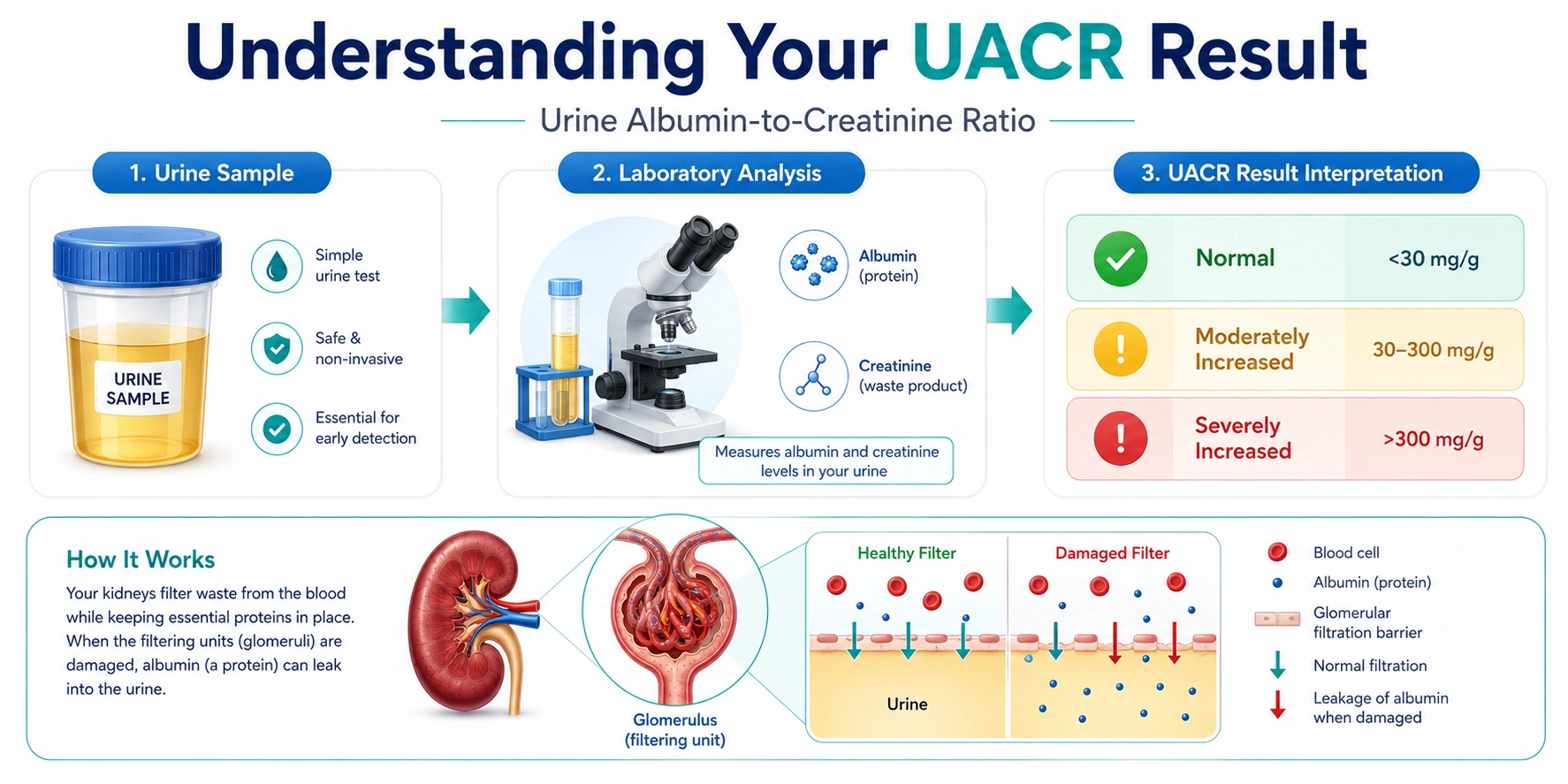
When you see a result labeled “high urine albumin,” consider the following factors before concluding permanent kidney damage:
If an abnormal value appears, clinicians typically repeat the test. Two out of three positive UACR results over a 3–6‑month period confirm true microalbuminuria clinical protocol.
Before jumping to a diagnosis of diabetic nephropathy, rule out these reversible contributors:
Addressing these factors often normalizes the UACR on repeat testing.
Guidelines recommend the following workflow after a first abnormal microalbuminuria reading:
Once confirmed, a quantitative assessment of kidney function – including eGFR and serum creatinine – should be ordered. Our Kidney Tests Explained page walks through how eGFR and creatinine complement the urine albumin test.
Persistent microalbuminuria signals early diabetic kidney disease, often called diabetic nephropathy. Studies show that structural changes in the glomeruli can begin a decade before overt symptoms appear research on subclinical kidney changes. If left unchecked, microalbuminuria can progress to macroalbuminuria, a rapid decline in eGFR, and eventually end‑stage renal disease.
Because albuminuria reflects systemic endothelial dysfunction, it also flags an increased risk for heart disease and stroke – a dual warning that warrants aggressive risk‑factor management.

Managing and Reducing Albuminuria
Intervention at the microalbuminuria stage can halt or even reverse kidney damage. Key strategies include:
Regular monitoring—every 3–6 months for the first year after detection—helps gauge treatment effectiveness. If albuminuria persists despite optimal therapy, referral to a nephrologist is advised.
Consider a referral if any of the following occur:
Early involvement of a nephrologist can tailor medication regimens, discuss potential renal protective agents, and plan for future renal replacement therapy if needed. For more guidance on when specialist care is appropriate, see our dialysis criteria article.
Think of the urine albumin test as a vital sign for your kidneys, just like blood pressure or blood sugar. Incorporate it into your routine diabetes check‑ups, discuss results openly with your endocrinologist, and track trends over time. By staying proactive, you can keep microalbuminuria from becoming a roadblock on your health journey.
A normal UACR is less than 30 mg of albumin per gram of creatinine. Values between 30 and 300 mg/g indicate microalbuminuria, and above 300 mg/g suggest macroalbuminuria.
Guidelines recommend an annual spot‑sample UACR for adults with diabetes aged 12–70. If microalbuminuria is detected, repeat testing every 3–6 months until the trend is clear.
No. A single elevated result may be due to temporary factors like fever or intense exercise. Two of three positive tests over 3–6 months are needed to confirm true microalbuminuria.
ACE inhibitors or ARBs, tight blood pressure control, optimal glycemic management, low‑sodium diet, and lifestyle changes such as regular exercise and smoking cessation are proven to reduce albumin excretion.
Seek specialist care if you have macroalbuminuria, a declining eGFR (< 60 mL/min/1.73 m²), persistent high UACR despite treatment, or uncontrolled hypertension or diabetes.
Microalbuminuria is a low‑grade protein leak (30–300 mg/g) detectable only with specific tests, whereas proteinuria (macroalbuminuria) is a higher level (> 300 mg/g) that can be seen on standard dipsticks.
Microalbuminuria in diabetes is an early, reversible warning sign of kidney stress. Regular screening, confirmatory testing, and prompt management can preserve kidney function and reduce cardiovascular risk. Talk to your healthcare provider about scheduling a urine albumin‑to‑creatinine ratio test today.
Plot no 70, Moreshwar Heritage, Sector 5, Ulwe, Navi Mumbai, Maharashtra 410206
For Booking: +91 8591009591
Chat With Us
Mini Sea Shore Road, Juhu Nagar, Sector 10A, Vashi, Navi Mumbai, Maharashtra 400703
Chat With Us