
Visiting a kidney specialist (nephrologist) for the first time can feel overwhelming, especially if you’re unsure which documents or test results to carry. In Vashi, NewEra Hospitals hosts Dr. Jyoti Bansode, a seasoned nephrologist with more than a decade of experience. This guide walks you through the exact items you should prepare, the symptoms that prompt a visit, and how the consultation typically unfolds, so you can feel confident and ready.
Kidney health often goes unnoticed until a problem becomes evident through lab values or symptoms. According to When Should You See a Nephrologist in Navi Mumbai?, you should consider a referral when any of the following occur:
These red‑flag signs often indicate that a detailed renal evaluation is needed.
While some kidney issues are detected incidentally, many patients notice physical cues. Typical symptoms include:
If you experience any of these, schedule an appointment promptly.
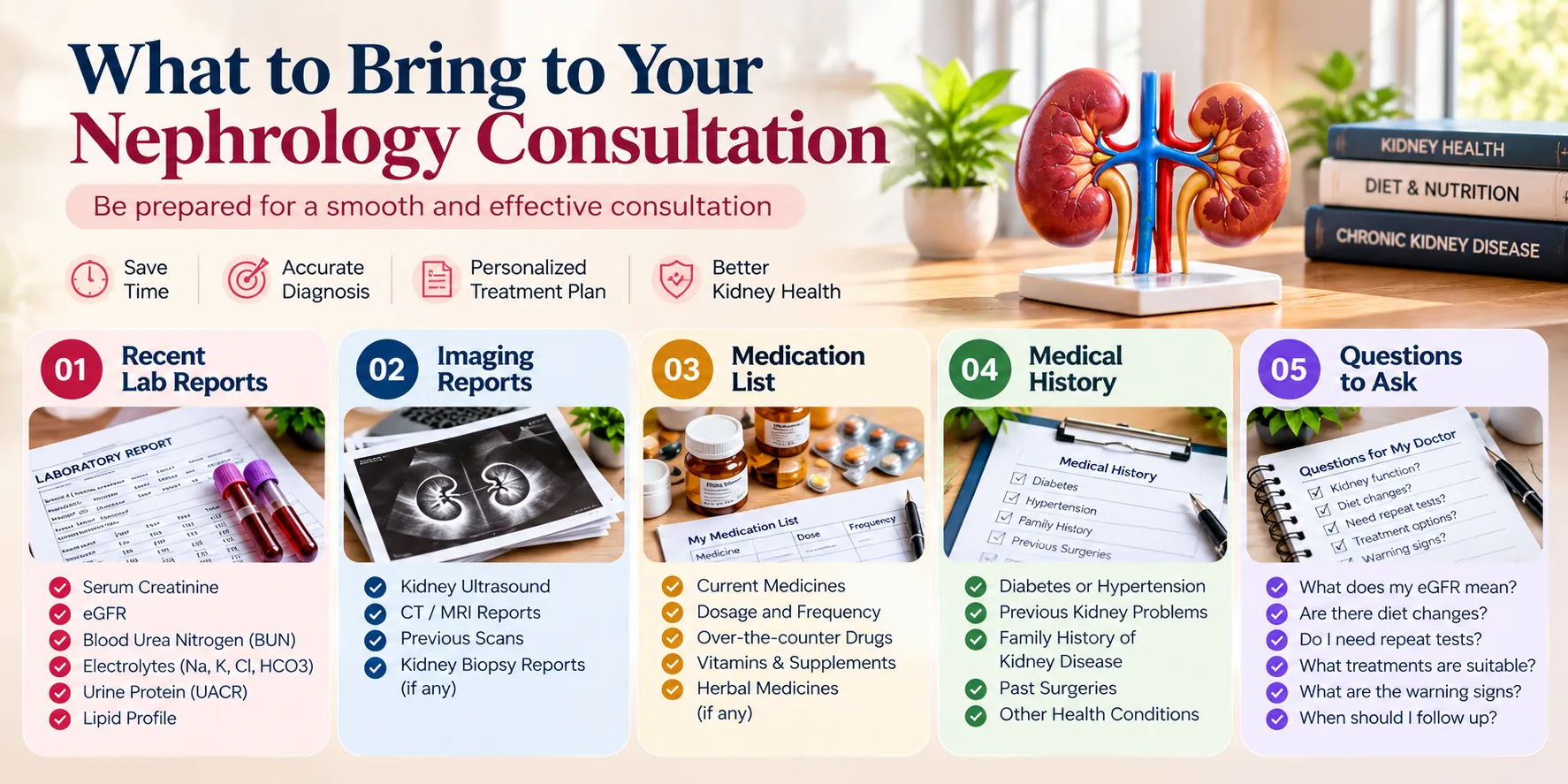
What to Bring to Your Consultation
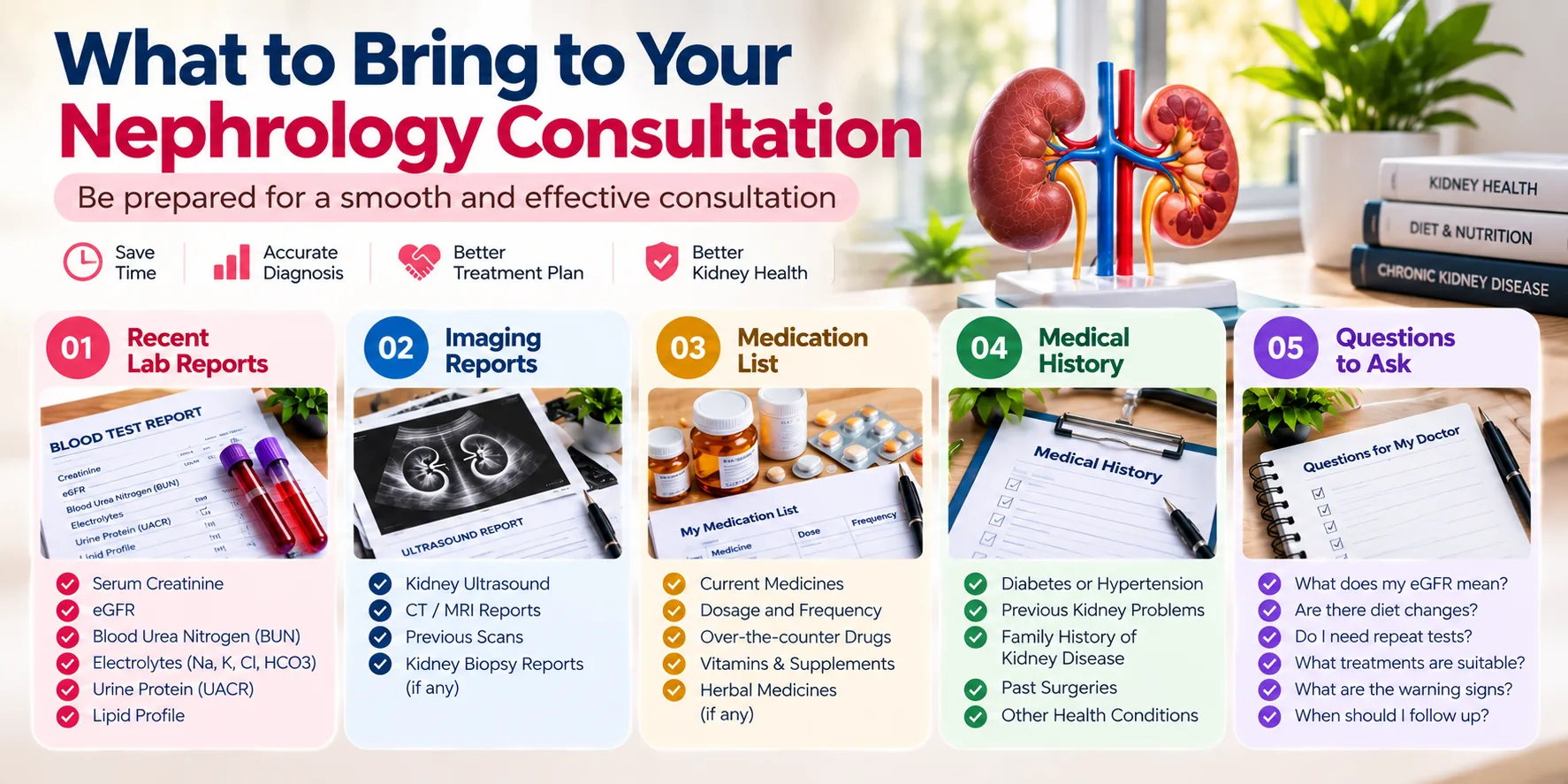
Arriving prepared saves time and ensures the nephrologist can make an accurate assessment. Below is a comprehensive checklist.
Blood and urine tests form the backbone of kidney evaluation. Bring the most recent reports, ideally from the past 3 months:
These tests are highlighted in What to Expect at Your First Visit with a Nephrologist, which notes that most doctors request a full panel before the first appointment.
If you have already undergone imaging, bring copies of the reports:
Even if the imaging was performed at another facility, a printed PDF or CD will help Dr. Bansode review the findings without delay.
Prepare a concise summary of your medical background:
Having this information on hand enables the doctor to spot patterns and tailor treatment.
Dr. Bansode follows a systematic approach that blends clinical expertise with evidence‑based guidelines.
During the appointment, the nephrologist will first examine your lab values and imaging reports. Patterns such as a steadily falling eGFR or persistent proteinuria guide the next steps—whether it’s a medication adjustment, a repeat test, or a referral for a kidney biopsy.
The doctor will assess blood pressure (both sitting and standing), check for edema, and listen for heart or lung sounds that may indicate fluid overload. A focused abdominal exam helps identify kidney enlargement or tenderness.
After the assessment, Dr. Bansode will explain the diagnosis in plain language, outline lifestyle modifications, and prescribe any necessary medications. She also discusses the need for follow‑up labs, potential referrals (e.g., dietitian, transplant team), and answers any questions you have.
If you’ve already seen another nephrologist and want a second perspective, bring the same set of documents listed above, plus any written treatment plans or referral letters. Dr. Bansode can compare the previous recommendations with her own assessment, ensuring you receive the most comprehensive care.
Kidney emergencies require immediate attention. According to Nephrology Services in Vashi | MGM New Bombay Hospital, the following situations merit a 24‑hour visit or a call to emergency services:
In these cases, head straight to the emergency department at NewEra Hospitals or call the local emergency number.
By gathering the right paperwork and understanding what to expect, you empower Dr. Bansode to deliver focused, effective kidney care. For appointment scheduling, visit the Best Kidney Specialist in Vashi – Dr. Rashmi Yadav directory to see how other specialists in the area structure their services, or contact NewEra Hospitals directly.
Bring recent serum creatinine, eGFR, BUN, electrolytes, and a urine protein (UACR) report. These values give the nephrologist a clear picture of kidney function and any protein loss.
Yes. A copy of the ultrasound report (or a CD) helps the doctor assess kidney size, structure, and any existing stones or cysts without ordering a repeat scan.
Write down queries about your eGFR implications, diet changes, need for repeat imaging or biopsy, medication side effects, and warning signs that require urgent care.
Absolutely. Bring all prior consultation notes, test results, and treatment plans so Dr. Bansode can compare recommendations and suggest any additional steps.
Seek emergency care if you experience sudden severe flank pain, rapid swelling, a sharp rise in blood pressure, very low urine output, or fever with urinary symptoms.
Fasting is usually not needed for creatinine or eGFR, but your lab may ask you to fast for lipid profile or glucose tests; check the lab instructions beforehand.
Being well‑prepared for your nephrology visit in Vashi not only streamlines the consultation but also helps Dr. Jyoti Bansode create a personalized treatment plan quickly. Gather your recent labs, imaging, medication list, and a short symptom log, then arrive confident that you’ve covered every essential detail.
Plot no 70, Moreshwar Heritage, Sector 5, Ulwe, Navi Mumbai, Maharashtra 410206
For Booking: +91 8591009591
Chat With Us
Mini Sea Shore Road, Juhu Nagar, Sector 10A, Vashi, Navi Mumbai, Maharashtra 400703
Chat With Us