+91 8691888178 / 8850999397 dr.jyotibansode.01@gmail.com Monday to Saturday : 05:00PM TO 06:00PM

Urine ACR Test Explained: Why Albumin in Urine Matters

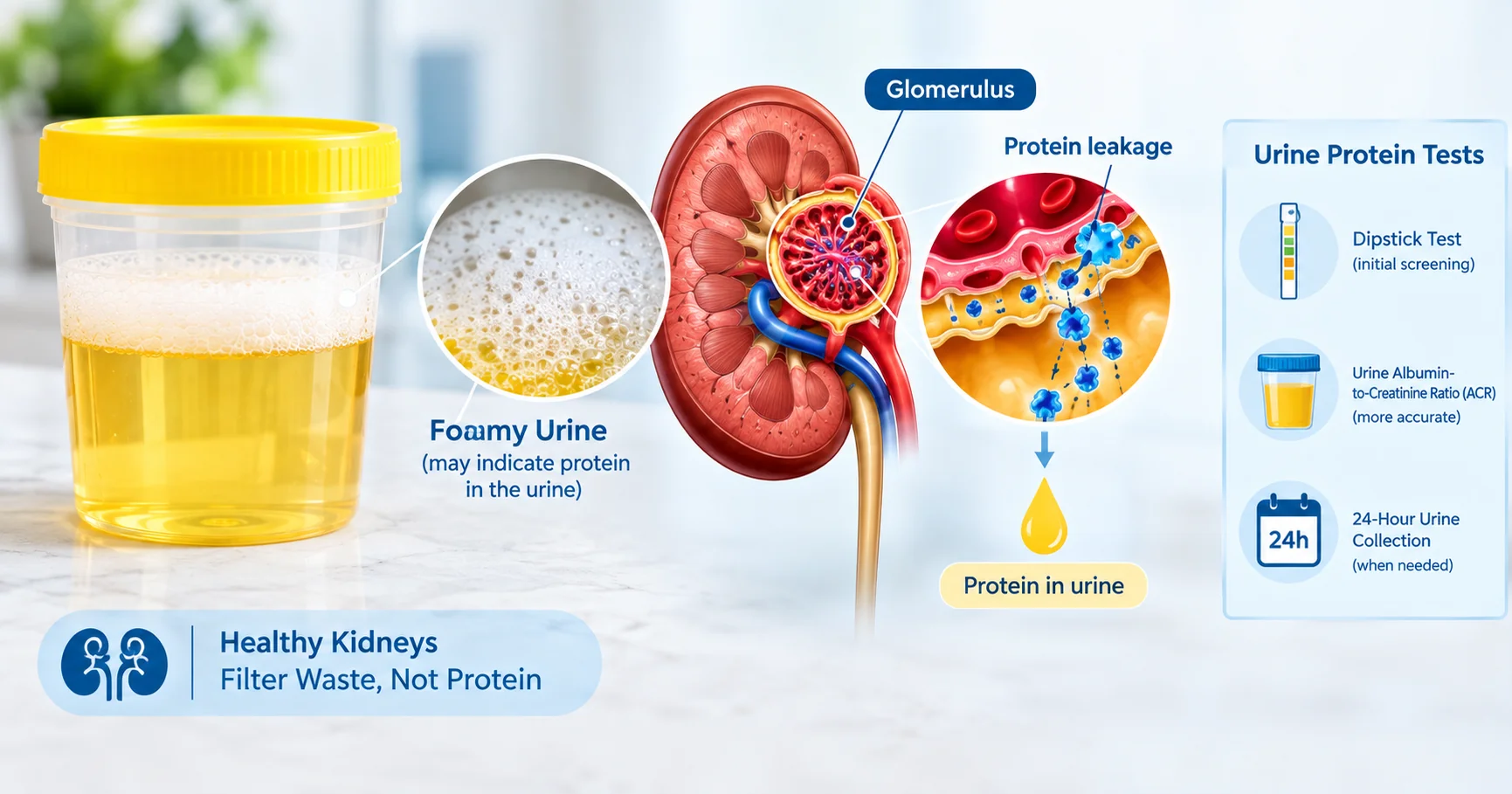
When your doctor orders a urine albumin‑creatinine ratio (ACR) test, the goal is to catch early signs of kidney stress before symptoms appear. This guide breaks down the science in plain language, explains what the numbers mean, and shows you how to prepare for accurate results. Medical Review: Dr. Jyoti Bansode, MBBS, MD Medicine, DM Nephrology – >10 years of nephrology experience. What the Urine ACR Test Measures The ACR test quantifies two substances in a single, random‑spot urine sample: albumin (a protein that belongs in the bloodstream) and creatinine (a waste product filtered by the kidneys). The laboratory divides the albumin concentration (mg) by the creatinine concentration (g) to produce a ratio expressed as mg/g. Because creatinine corrects for urine concentration, the ACR is more reliable than a simple dip‑stick protein test. For a detailed explanation, see Dr. Jyoti Bansode’s article. Albumin vs. Creatinine Albumin should stay in the blood; the kidneys act as a sieve that prevents it from leaking into urine. Creatinine, on the other hand, is a by‑product of muscle metabolism that the kidneys normally excrete. By comparing the two, the ACR tells you whether the filtration barrier is compromised. Why Albumin in Urine Matters Even tiny amounts of albumin (called microalbuminuria) signal that the glomeruli—the tiny filtering units—are under stress. Persistent albuminuria is linked to a higher risk of chronic kidney disease (CKD), cardiovascular events, and progression to end‑stage renal disease. The National Kidney Foundation notes that albuminuria is a red flag for both kidney and heart health NKF uACR overview. Understanding ACR Result Ranges Normal: < 30 mg/g – no significant albumin loss. Microalbuminuria: 30–300 mg/g – early kidney damage; warrants repeat testing and risk‑factor control. Macroalbuminuria: >300 mg/g – overt proteinuria; indicates more advanced disease. These cut‑offs are widely accepted in clinical practice and help guide treatment decisions NKF uACR overview. Common Causes of a High ACR Diabetes mellitus – high blood sugar damages glomerular capillaries. Hypertension – elevated pressure strains the filtration barrier. Glomerulonephritis or other inflammatory kidney diseases. Infections (e.g., urinary tract infection, fever). Medications such as non‑steroidal anti‑inflammatory drugs (NSAIDs) or certain antibiotics. For a deeper look at how diabetes triggers albuminuria, read our Understanding Microalbuminuria in Diabetes. Temporary Factors That Can Skew Results Not every elevated ACR means chronic disease. Transient conditions can raise albumin temporarily: Intense exercise or heavy lifting (muscle breakdown releases creatinine). Fever or acute illness. Dehydration – concentrates urine, raising the ratio. High‑protein meals within the previous 24 hours. Menstrual blood contamination. If any of these apply, your clinician may repeat the test after a few days. Interpreting ACR with eGFR and Creatinine ACR is most powerful when viewed alongside estimated glomerular filtration rate (eGFR) and serum creatinine. A normal eGFR with a high ACR suggests early glomerular injury, while a low eGFR with a modest ACR may reflect advanced CKD. Our Kidney Tests Explained: Creatinine, eGFR, Urine ACR & Electrolytes article walks through the combined interpretation. Laboratories such as Labcorp calculate the ratio automatically and flag results that exceed risk thresholds Labcorp ACR test details. Diabetes, Hypertension, and Cardiovascular Risk Albuminuria is not just a kidney issue; it predicts heart attacks, strokes, and peripheral artery disease. People with diabetes and high blood pressure are up to three times more likely to develop albuminuria, and each 30 mg/g increase in ACR raises cardiovascular risk by roughly 10 % according to the National Kidney Foundation NKF uACR risk page. How Often Should You Repeat the Test? Guidelines recommend: Annual screening for anyone with diabetes or hypertension. Every 1–2 years for individuals with other CKD risk factors (family history, age > 60). Repeat within 3–6 months if the first result is abnormal, after addressing any temporary factors. When to See a Nephrologist Schedule a specialist appointment if you meet any of the following: ACR > 300 mg/g on two separate occasions. eGFR < 60 mL/min/1.73 m² combined with any albuminuria. Rapidly rising ACR (increase > 30 % within 3 months). Persistent proteinuria despite optimal blood‑pressure and glucose control. Our guide on specialist referral can help you prepare for the visit: When Should You See a Nephrologist in Navi Mumbai?. Practical Patient Checklist Before Your ACR Test Collect a mid‑stream, clean‑catch urine sample in the morning if possible. Avoid vigorous exercise for 24 hours prior. Stay well‑hydrated, but do not over‑drink immediately before the test. Notify the lab if you have a fever, infection, or recent heavy protein intake. Bring a list of current medications (especially NSAIDs, ACE inhibitors, or ARBs). Following these steps improves accuracy and reduces the need for repeat testing. Frequently Asked Questions What does a normal urine ACR result look like? A normal ACR is less than 30 mg of albumin per gram of creatinine, indicating that the kidneys are effectively retaining protein. Can a single high ACR result be ignored? No. A single elevated ACR should be repeated after 3–6 months, especially if you had recent fever, intense exercise, or dehydration that could temporarily raise the ratio. Why is the ACR preferred over a simple urine protein dip‑stick? The ACR corrects for urine concentration by using creatinine as a reference, making it more reliable than a dip‑stick, which can be falsely low in dilute urine or high in concentrated samples. How does diabetes affect the urine ACR? High blood glucose damages the glomerular filter, allowing albumin to leak into urine. Even early diabetes can cause microalbuminuria (30–300 mg/g), which signals the need for tighter glucose and blood‑pressure control. When should I see a nephrologist after an abnormal ACR? If your ACR exceeds 300 mg/g, if eGFR falls below 60 mL/min/1.73 m², or if albuminuria rises rapidly despite treatment, a referral to a nephrologist is recommended. Conclusion Understanding your urine ACR result empowers you to act early, protect kidney function, and lower cardiovascular risk. Talk to your healthcare provider about the next steps, whether that means lifestyle changes, medication adjustments, or a referral to a nephrologist.
Urine ACR Test Explained: Why Albumin in Urine Matters

The urine albumin‑creatinine ratio (urine ACR test) is a quick, inexpensive way to spot early kidney damage before symptoms appear. By comparing the amount of albumin (a protein) to creatinine (a waste product) in a single urine sample, doctors can detect albuminuria, monitor disease progression, and guide treatment for conditions like diabetes and hypertension. What Is a Urine ACR Test? A urine ACR test measures the concentration of albumin and creatinine in a spot urine sample and then calculates the ratio, usually expressed in milligrams of albumin per gram of creatinine (mg/g). This ratio corrects for variations in urine concentration, making it more reliable than a simple urine protein test. According to the National Kidney Foundation, the uACR is the preferred screening tool for detecting albuminuria in people at risk for chronic kidney disease (CKD). Why Is the Urine ACR Test Done? Kidneys filter waste while keeping essential proteins like albumin in the bloodstream. When the glomeruli become damaged, albumin leaks into the urine, a condition called albuminuria or proteinuria. Detecting this leak early can: Identify early-stage CKD before eGFR declines. Stratify cardiovascular risk, since albuminuria is an independent predictor of heart disease. Guide medication choices for diabetes, hypertension, and other kidney‑affecting conditions. For people with diabetes, the Kidney Fund notes that routine uACR screening is essential because diabetic kidney disease often begins with microalbuminuria. How Is a Urine ACR Test Done? The test requires a clean‑catch midstream urine sample, which can be collected at home or in a clinic. No fasting is needed, but the sample should be taken when the bladder is neither empty nor overly full. The laboratory measures albumin (mg) and creatinine (g) and reports the ratio. Some labs also provide a separate urine albumin test and a urine creatinine test, but the combined ratio is what clinicians use for interpretation. Understanding Urine ACR Results Results are categorized by the National Kidney Foundation as follows: Understanding urine ACR result with kidney illustration and normal, moderately increased, and severely increased UACR ranges UACR (mg/g) Albuminuria Category What It Means < 30 mg/g Normal to Mildly Increased Usually considered within the normal range. 30–299 mg/g Moderately Increased May indicate early kidney damage or albuminuria. ≥ 300 mg/g Severely Increased May indicate more significant kidney damage and needs medical evaluation. A result under 30 mg/g is considered normal, while values between 30 and 299 mg/g indicate microalbuminuria—a warning sign that kidney damage may be beginning. Values of 300 mg/g or higher reflect macroalbuminuria, which usually means more advanced kidney disease. It’s important to remember that a single abnormal result does not automatically diagnose CKD. The NIDDK recommends repeating the urine ACR test one to two more times over a 3‑month period to confirm persistent albuminuria before labeling someone with chronic kidney disease. UACR vs. Other Urine Protein Tests Traditional urine protein tests measure total protein, which can be influenced by hydration status and muscle mass. The urine ACR test, by normalizing albumin to creatinine, provides a more stable estimate of kidney filtration function. This is why clinicians often prefer the uACR over a generic urine protein test when monitoring diabetic patients or those with hypertension. Key Situations When a Urine ACR Test Is Recommended How is a urine ACR test done showing urine collection, albumin measurement, creatinine measurement, and UACR calculation Annual screening for adults with diabetes or hypertension. Evaluation of unexplained swelling, foamy urine, or decreased urine output. Baseline assessment before starting potentially nephrotoxic medications (e.g., NSAIDs, certain antibiotics). Follow‑up after a previous abnormal ACR to assess treatment response. For a deeper dive into related kidney tests, see our Kidney Tests Explained: Creatinine, eGFR, Urine ACR & Electrolytes. Interpreting High Urine ACR Results When the urine ACR is above 30 mg/g, clinicians consider several possible causes: Early diabetic nephropathy or other forms of CKD. Acute conditions such as urinary tract infection, fever, or intense exercise. Medications that affect kidney function. Addressing reversible factors—like treating an infection or adjusting medication—can sometimes bring the ACR back into the normal range. Lifestyle changes (tight blood‑pressure control, low‑protein diet, smoking cessation) also help lower albuminuria over time. Link Between UACR and eGFR eGFR estimates how well the kidneys filter blood, while uACR detects leakage of protein. Both are complementary: a normal eGFR with a high uACR signals early kidney damage, whereas a low eGFR with a normal uACR may indicate non‑proteinuric CKD. Combining these metrics improves risk stratification, as highlighted by the Labcorp ACR test description. Practical Tips for Accurate Testing To ensure reliable results, follow these guidelines: Collect the sample first thing in the morning, if possible. Avoid heavy exercise, high‑protein meals, and NSAIDs for 24 hours before the test. Store the sample in a cool place and deliver it to the lab within 24 hours. Inform your provider about any recent infections or medications. For more on how to prepare for lab tests, read our Protein in Urine Child: When to Seek Kidney Care. When to Repeat the Test If your first urine ACR result is abnormal, most clinicians will repeat the test after 2–4 weeks to confirm persistence. For patients with known CKD, the test may be ordered every 3–6 months, depending on disease stability and treatment changes. Diabetic patients are often advised to have a urine ACR at least once a year, as recommended by the American Diabetes Association. Can High Urine ACR Be Reversed? Yes, in many cases. Tight glycemic control, blood‑pressure management (especially with ACE inhibitors or ARBs), and lifestyle modifications have been shown to reduce albuminuria. Studies cited by the Siemens Healthineers indicate that up to 30 % of patients can achieve a return to the normal range with appropriate therapy. Ultimately, early detection through regular urine ACR screening empowers patients and providers to intervene before irreversible kidney damage occurs. Frequently Asked Questions What is a urine ACR test? A urine ACR test measures the albumin‑to‑creatinine ratio in a spot urine sample, providing a snapshot of how much albumin is leaking into the urine relative to creatinine. What does a high