+91 8691888178 / 8850999397 dr.jyotibansode.01@gmail.com Monday to Saturday : 05:00PM TO 06:00PM

Diabetic Kidney Disease with Normal Creatinine – What You Need to Know

Yes, diabetic kidney disease can be present even when serum creatinine is within the normal laboratory range. Creatinine alone may miss early kidney damage because albumin leakage in urine often appears before a significant fall in the kidneys’ filtering ability. Why Creatinine Can Remain Normal in Early Diabetic Kidney Disease Serum creatinine reflects the overall filtration capacity of the kidneys, but it does not detect subtle damage to the glomerular filter. In the early stages of diabetic nephropathy, the glomerular basement membrane becomes leaky, allowing albumin to pass into the urine while the total filtration rate (and thus creatinine) stays within normal limits. Therefore, a patient can have: Normal creatinine Relatively preserved eGFR Elevated urine albumin (high urine ACR) and still have evidence of kidney damage. How Diabetes Damages the Glomeruli Prolonged high blood glucose damages the tiny blood vessels that line the glomeruli – the kidney’s filtering units. The excess glucose triggers inflammation and thickening of the basement membrane, making it porous. The first sign is usually a small amount of albumin spilling into the urine (microalbuminuria). Over time, continued injury can reduce the number of functional nephrons, leading to a drop in eGFR and, eventually, chronic kidney disease. Creatinine vs eGFR vs Urine ACR Each test answers a different question about kidney health. Understanding their roles helps catch disease early. Test What It Measures Typical Use Creatinine Blood waste product from muscle metabolism Basic screen; high levels suggest reduced filtration eGFR Estimated glomerular filtration rate (calculates filtration based on creatinine, age, sex, race) Quantifies overall kidney function Urine ACR Albumin‑to‑creatinine ratio in a spot urine sample Detects early leak of protein (albumin) from glomeruli Because they assess different aspects, clinicians interpret them together rather than in isolation. Can eGFR Be Normal in Early Diabetic Kidney Disease? Yes. In the initial phases of diabetic nephropathy, the eGFR often remains >90 mL/min/1.73 m² while urine ACR is already elevated. A normal eGFR does not guarantee that the kidneys are healthy; persistent albuminuria signals early injury even when filtration appears preserved. Current Screening Guidance for Diabetes Guidelines from the American Diabetes Association and KDIGO recommend: People with type 2 diabetes: urine ACR and eGFR testing at least once a year from the time of diagnosis. People with type 1 diabetes: begin annual kidney screening after about five years of diabetes duration, unless other risk factors call for earlier testing. Regular monitoring helps detect changes before symptoms appear. Early Warning Signs (Often Absent) Early diabetic kidney disease usually has no noticeable symptoms. When it progresses, patients may notice: Foamy or frothy urine (protein) Swelling of the feet or ankles Increasing blood pressure Fatigue or reduced energy Changes in urination frequency Nausea or loss of appetite Can a High Urine ACR Be Temporary? Transient factors can raise urine albumin, including intense exercise, fever, urinary‑tract infection, marked hyperglycaemia, menstruation, heart failure, or a sudden spike in blood pressure. One abnormal ACR result does not automatically confirm chronic kidney disease; repeat testing after a few weeks is recommended to verify persistence. What Test Results May Suggest Early Kidney Damage? Look for patterns such as: Normal serum creatinine + elevated urine ACR. Preserved eGFR + elevated urine ACR. Gradual decline in eGFR over months or years. Increasing albumin levels on consecutive ACR tests. These findings indicate that the kidneys are under stress even if the filtration rate seems normal. What Should You Do If Creatinine Is Normal but You Have Diabetes? Discuss the following with your clinician: Request a urine ACR test. Ask for an eGFR calculation based on your latest labs. Review previous creatinine results to spot trends. Review prior urine ACR results, if available. Check your blood pressure readings. Know your most recent HbA1c level. Ask whether repeat urine testing is needed to confirm any abnormality. Inquire if your kidney‑function numbers are changing over time. When Should You See a Nephrologist? Referral is appropriate when any of the following occur: Persistently elevated urine ACR (especially >300 mg/g). Rapid increase in albuminuria over a short period. Steady decline in eGFR (e.g., drop >5 mL/min/1.73 m² per year). Persistent protein or blood in urine protein and blood in urine. Difficult‑to‑control hypertension despite medication. Unexplained swelling (edema). Sudden or unexplained changes in kidney‑function test results. Uncertainty about the cause of abnormal kidney tests acute and chronic kidney diseases. Referral does not mean you have end‑stage disease; it ensures specialized care to slow progression. Why Early Detection Matters Interventions such as tighter glucose control, blood‑pressure management (often with ACE inhibitors or ARBs), lifestyle changes, and regular monitoring can significantly slow the progression of diabetic kidney disease. Medical Review: Dr. Jyoti BansodeMBBS, MD Medicine, DM NephrologyMore than 10 years of nephrology experience For a deeper look at how diabetes affects kidney health, see our diabetes and kidney diseases page. If you notice persistent protein or blood in your urine, read our protein and blood in urine guide. For broader information on chronic kidney conditions, explore acute and chronic kidney diseases. Key sources:  American Heart Association overview of kidney disease in diabetes, bidirectional link study between diabetes and kidney disease, KDIGO‑style review of diabetic kidney disease. Frequently Asked Questions Can diabetic kidney disease happen with normal creatinine? Yes. Early kidney damage can cause albumin to leak into urine while serum creatinine remains within the normal range. Can kidney damage occur with a normal eGFR? Yes. Albuminuria can be present even when eGFR is >90 mL/min/1.73 m², indicating early glomerular injury. Which test detects diabetic kidney disease earliest? Urine ACR (albumin‑to‑creatinine ratio) is the most sensitive early marker, detecting microalbuminuria before creatinine or eGFR change. Is urine ACR more useful than creatinine for early kidney damage? For early detection, yes. Urine ACR identifies tiny amounts of albumin that appear before serum creatinine rises. Can albumin in urine be temporary? Transient factors like exercise, infection, fever, or high blood pressure can raise urine albumin; repeat testing confirms persistence. When should a person with diabetes see a nephrologist? See a nephrologist if urine ACR stays high, eGFR declines, protein/blood persists in urine, hypertension is uncontrolled,

Protein in Urine Causes: What’s Normal, What’s Worrisome?

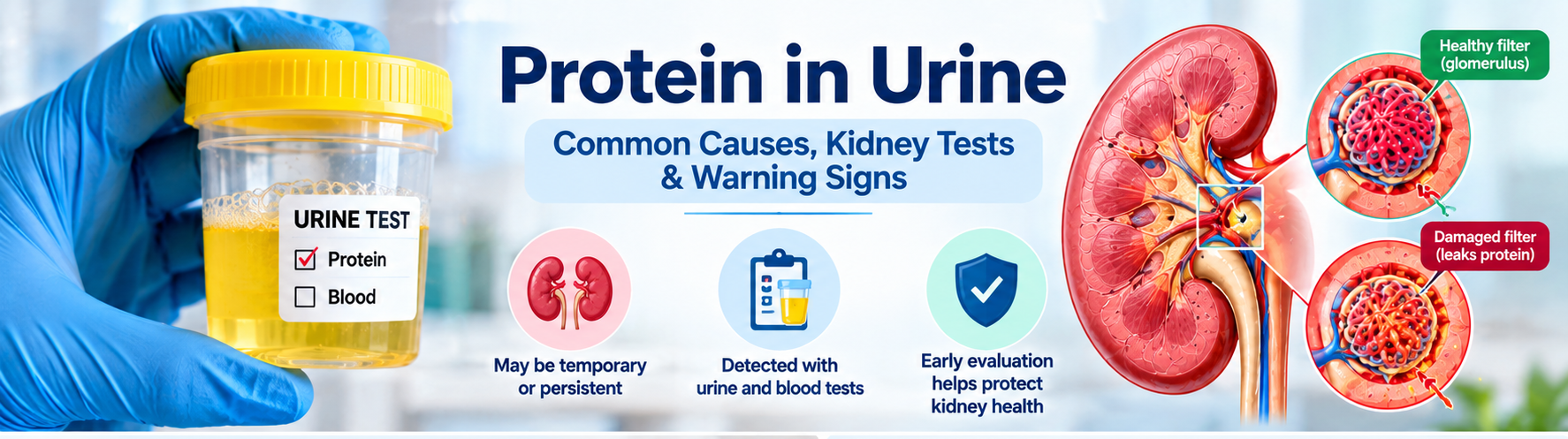
Short answer : Protein in urine can be a fleeting finding after fever, intense exercise, or dehydration, but persistent proteinuria often signals damage to the kidney’s filtering units (glomeruli). Ongoing leakage may require further testing and specialist care. Proteinuria—often discovered on a routine urine test—doesn’t always mean serious disease. A single abnormal result may be temporary, yet repeated or high‑level protein loss usually points to kidney‑filter damage that needs evaluation. What Is Proteinuria? Healthy kidneys keep large proteins such as albumin inside the bloodstream while allowing waste and excess fluid to pass into urine. The glomeruli act as tiny sieves; when they are inflamed, scarred, or otherwise damaged, proteins slip through and appear in the urine. How the kidneys normally work  – Blood enters the glomerulus at high pressure.  – Small molecules (water, electrolytes, waste) filter out. – Large proteins are retained and re‑absorbed in the tubules. When the glomerular barrier is compromised, albumin and other proteins are lost, leading to a measurable proteinuria. Common Causes of Protein in Urine (Persistent) These conditions often produce ongoing protein leakage and merit a thorough work‑up:  – Diabetes mellitus – high blood sugar damages glomerular capillaries.  – Hypertension (high blood pressure) – pressure overload injures the filtration barrier.  – Glomerular diseases – e.g., IgA nephropathy, membranous nephropathy, focal segmental glomerulosclerosis.  – Chronic infections – hepatitis C, HIV, or recurrent urinary‑tract infections.  – Cardiovascular conditions – heart failure can raise kidney venous pressure.  – Medications – non‑steroidal anti‑inflammatory drugs (NSAIDs), certain antibiotics, and some chemotherapy agents.  – Other kidney disorders – polycystic kidney disease, obstructive uropathy. For an in‑depth look at these factors, see Causes of Protein in Urine: Understanding the Key Factors. Temporary Causes of Protein in Urine Not every positive protein test signals chronic disease. Transient proteinuria often resolves once the trigger disappears: Fever or acute illness – inflammation raises glomerular permeability. Strenuous exercise – muscle breakdown and increased blood flow can spill protein. Dehydration – concentrated urine may falsely appear protein‑rich. Cold exposure – vasoconstriction can temporarily affect filtration. Recent urinary‑tract infection – inflammation of the bladder or urethra. Because a single abnormal result may be fleeting, clinicians often repeat a morning urine sample before ordering extensive work‑up. Symptoms and Warning Signs Early proteinuria is frequently silent, but watch for these clues:  – Foamy, frothy, or bubbly urine.  – Swelling (edema) of ankles, feet, or around the eyes.  – Unexplained fatigue or loss of appetite.  – Changes in urine volume or frequency.  – Elevated blood pressure. Most people with mild proteinuria feel fine; the presence of symptoms often indicates a higher level of protein loss or concurrent kidney dysfunction. Does foamy urine always mean protein in urine? No. Foam can result from rapid urine flow, concentrated urine, or even certain detergents in the toilet bowl. Only a laboratory test (dipstick or ACR) can confirm proteinuria. Protein in Urine vs. Blood in Urine Proteinuria (protein) and hematuria (blood) are distinct findings. Protein indicates a leak of albumin or larger proteins, while blood signals red‑cell leakage, often from a different part of the urinary tract. When both appear together, clinicians consider glomerular disease or severe inflammation. Read more about the overlap in our protein and blood in urine article. How Proteinuria Is Measured The most common tests include: – Urine dipstick – quick screening, semi‑quantitative.  – Urine albumin‑to‑creatinine ratio (UACR) – expresses albumin in mg per gram of creatinine; preferred for diabetes monitoring.  – Urine protein‑to‑creatinine ratio (PCR) – measures total protein.  – Comprehensive urinalysis – evaluates sediment, cells, and casts.  – Serum creatinine & eGFR – assess overall kidney filtration function. Interpretation of UACR:Range (mg/g)Interpretation<30Normal or low‑grade30–300Micro‑albuminuria (early kidney damage)>300Macro‑albuminuria (significant kidney disease) Urine ACR (UACR) Result Interpretation UACR Result Interpretation Below 30 mg/g Normal to mildly increased 30–300 mg/g Moderately increased albuminuria Above 300 mg/g Severely increased albuminuria Results should be repeated, especially if the first sample was a random collection, and interpreted alongside creatinine, eGFR, and clinical context. Can You Have Protein in Urine with Normal Creatinine? Yes. Protein leakage can precede a rise in serum creatinine because creatinine reflects overall filtration, not the selective loss of albumin. Early glomerular injury may show a high UACR while eGFR remains >90 mL/min/1.73 m². Glomerular Disease: When to Be Concerned Persistent, significant proteinuria—especially when accompanied by any of the following—should raise suspicion for a primary glomerular disorder:  – Protein levels >300 mg/g (macro‑albuminuria).  – Concurrent hematuria (blood in urine).  – Unexplained edema or high blood pressure.  – Declining eGFR over months.  – Abnormal urine sediment (casts, dysmorphic RBCs). Dr. Jyoti Bansode has a special clinical interest in glomerular diseases; patients with these red flags are often referred for nephrology evaluation. When Might a Kidney Biopsy Be Needed? Most proteinuria cases are managed without invasive procedures. A biopsy is considered when:  – The underlying cause remains unclear after standard labs and imaging.  – Protein loss exceeds 3.5 g/day (nephrotic‑range) with rapid eGFR decline.  – There is suspicion of a specific glomerular disease that guides therapy (e.g., lupus nephritis, IgA nephropathy).  – Patients have refractory proteinuria despite optimal blood‑pressure and diabetes control. Read more about the procedure in our kidney biopsy overview. Patient Checklist After an Abnormal Urine Protein Test Ask which test was performed (dipstick, UACR, PCR). Confirm the exact protein value and its units. Request your serum creatinine and eGFR results. Discuss any recent fever, intense exercise, dehydration, or infection that could be temporary. Inquire whether a repeat morning urine sample is recommended. Review blood‑pressure control and diabetes management. Ask if a referral to a nephrologist is appropriate. When to See a Nephrologist Consider specialist care if you have any of the following:  – Persistent proteinuria on two separate tests (≥30 mg/g).  – Rising UACR or PCR over weeks to months.  – Proteinuria accompanied by hematuria.  – Declining eGFR (<60 mL/min/1.73 m²) or rising serum creatinine.  – Significant edema or uncontrolled hypertension.  – Suspected glomerular disease based on urine sediment.  – Unclear cause after standard work‑up. Schedule a consultation through our appointment and consultation page. Medical ReviewDr. Jyoti

Diabetic Kidney Disease Symptoms: Early Signs & Tests

Diabetic kidney disease (DKD), also called diabetic nephropathy, is a common complication of diabetes. Current American Diabetes Association guidance estimates that chronic kidney disease affects about 20–40% of people with diabetes. The condition may develop without noticeable symptoms, so regular urine and blood testing is important for detecting kidney damage early.  Medical Review: Dr. Jyoti Bansode, MBBS, MD Medicine, DM Nephrology — more than 10 years of nephrology experience. Quick Answer: What Are the Early Symptoms of Diabetic Kidney Disease? Early diabetic kidney disease often causes no obvious symptoms. The first signs may appear on kidney tests, such as increased albumin in urine or changes in eGFR. As kidney disease progresses, possible symptoms may include:  – Foamy or unusually bubbly urine  – Swelling in the feet, ankles or around the eyes  – Fatigue or weakness  – Changes in urination  – Nausea or reduced appetite  – Itching or muscle cramps  – Increasing or difficult-to-control blood pressure Because early diabetic kidney disease is often silent, blood and urine tests are more reliable than waiting for symptoms to appear.  What Is Diabetic Kidney Disease? Diabetic kidney disease develops when diabetes damages the small blood vessels and filtering structures inside the kidneys. The kidneys contain microscopic filtering units called glomeruli. Over time, persistently high blood glucose can damage these filters, allowing albumin to leak into the urine and gradually reducing the kidneys’ ability to remove waste from the blood. High blood pressure can further increase stress on the kidneys and accelerate kidney damage. For a broader explanation, read about diabetes and kidney diseases. Why Can Diabetic Kidney Disease Develop Without Symptoms? Kidneys have significant reserve capacity. Early kidney damage may therefore develop while a person still feels completely well. NIDDK notes that most people with diabetic kidney disease do not have symptoms in the early stages. Kidney problems are usually detected through blood and urine tests.  A patient can have: No pain + no swelling + normal-looking urine and still have albuminuria or another early kidney abnormality. Who Is at Higher Risk? Not everyone with diabetes develops diabetic kidney disease. Risk may be greater in people who have: Diabetes for many years Persistently high blood glucose High blood pressure Cardiovascular disease Smoking habits Excess body weight Family history of kidney failure Existing kidney abnormalities NIDDK identifies poor blood-glucose control and high blood pressure as especially important risk factors.  Type 1 vs Type 2 Diabetes: When Should Kidney Testing Begin? Type 1 Diabetes Current ADA 2026 recommendations advise checking urine ACR and eGFR at least annually once a person has had type 1 diabetes for five years or more.  Type 2 Diabetes People with type 2 diabetes should generally have urine ACR and eGFR checked at least once a year from diagnosis, regardless of treatment. Diabetes Journals This difference matters because type 2 diabetes may have been present for years before it is diagnosed. What Are the Earliest Signs of Kidney Damage in Diabetes? The earliest signs are often found on laboratory tests. 1. Albumin in the Urine Albumin is a protein that normally remains in the bloodstream. When the kidney filters are damaged, albumin can begin leaking into urine. This is called albuminuria. The standard test used to measure this is the urine albumin-to-creatinine ratio (UACR). For more detail, see the Urine ACR Test Guide. 2. Changes in eGFR The estimated glomerular filtration rate (eGFR) estimates how well the kidneys are filtering blood. A declining eGFR can indicate reduced kidney function. 3. Changes in Serum Creatinine Creatinine is a waste product normally filtered from the blood by the kidneys. As filtration worsens, serum creatinine may increase. However, creatinine alone is not enough to assess early diabetic kidney disease. 4. Increasing Blood Pressure High blood pressure can damage kidney blood vessels, while kidney disease can also make blood pressure more difficult to control. Patients with persistent blood-pressure problems can read more about resistant hypertension. The Two Most Important Tests for Diabetic Kidney Disease The two key kidney markers are: Urine ACR (UACR) eGFR NIDDK specifically identifies urine albumin and eGFR as the two major markers used to detect and monitor chronic kidney disease.  Urine Albumin-to-Creatinine Ratio (UACR) UACR measures albumin in urine relative to creatinine. A random spot urine sample is usually sufficient, meaning a 24-hour urine collection is generally unnecessary for routine screening.  Typical categories include: UACR Result Interpretation UACR Result Interpretation Below 30 mg/g Normal to mildly increased 30–300 mg/g Moderately increased albuminuria Above 300 mg/g Severely increased albuminuria A UACR above 30 mg/g is considered abnormal, but the result should be interpreted with other kidney tests and, when appropriate, repeat measurements.  eGFR eGFR estimates kidney filtration. In general: 60 or above: may be within an acceptable range depending on the clinical situation Below 60: may indicate kidney disease if the reduction persists 15 or below: represents severely reduced kidney function and may indicate kidney failure The result should always be interpreted alongside urine albumin and the patient’s medical history. Can You Have Diabetic Kidney Disease with a Normal eGFR? Yes. A person may have: Normal or relatively preserved eGFR + elevated urine ACR and still have evidence of kidney damage. Albuminuria can appear before significant changes in eGFR. This is why checking only creatinine or eGFR may miss early kidney damage.  How to Understand UACR and eGFR Together How to Understand UACR and eGFR Together UACR eGFR What It May Suggest Normal Normal Current kidney markers may be reassuring. High Normal Possible early kidney damage. Normal Low Reduced kidney filtration requiring evaluation. High Low Kidney damage with reduced filtration may be present. This table is a general guide only. Diagnosis depends on repeat testing, trends over time and the patient’s overall clinical condition. Learn more about combined kidney testing in Kidney Tests Explained. Can a High Urine ACR Be Temporary? Yes. A single elevated urine ACR does not always mean permanent kidney damage. Factors that can temporarily raise UACR include: – Vigorous exercise within the previous 24 hours  – Infection  –

Understanding Microalbuminuria in Diabetes: What an Abnormal Urine Test Means

When you receive a lab report that says your urine albumin is elevated, it can be unsettling. For people with diabetes, an abnormal urine test often points to microalbuminuria – a subtle but important sign of early kidney stress. This article explains what microalbuminuria in diabetes means, how the test is performed, how to interpret the numbers, and what steps you can take to protect your kidneys. What Is Microalbuminuria in Diabetes? Microalbuminuria refers to a moderate increase in the amount of albumin – a small protein – that leaks into the urine. In healthy kidneys, less than 30 mg of albumin is excreted per gram of creatinine. When the level rises to 30–300 mg/g, the condition is called microalbuminuria; values above 300 mg/g are termed macroalbuminuria or overt proteinuria. According to early diabetes research, this rise is often invisible on a standard dipstick and requires a specific urine microalbumin test. Why It Matters for People With Diabetes Elevated urine albumin is the first measurable sign that the tiny filtering units (glomeruli) in the kidneys are being damaged by high blood sugar. It also signals a higher risk of cardiovascular events. Detecting microalbuminuria early gives you a window to intervene before diabetic nephropathy becomes irreversible. How the Urine Microalbumin Test Works The most common screening method is a spot urine sample that measures both albumin and creatinine, then calculates the urine albumin‑to‑creatinine ratio (UACR). This ratio corrects for variations in urine concentration, making it reliable even when you haven’t timed the collection. Sample Collection Options Random spot sample: The easiest method; you provide a single urine specimen at any time of day. First‑morning sample: Slightly more concentrated, reducing variability. 24‑hour collection: Considered the gold standard but is cumbersome for most patients. Most guidelines recommend an annual spot‑sample screening for adults with diabetes aged 12–70 years clinical recommendation. Understanding the UACR The UACR is reported in milligrams of albumin per gram of creatinine (mg/g). The interpretation is straightforward: Normal: < 30 mg/g Microalbuminuria: 30–300 mg/g (equivalent to 30–300 mg albumin in a 24‑hour collection) Macroalbuminuria: > 300 mg/g These cut‑offs match the definitions used in the Ubie Doctor’s note and are echoed in the MLabs reference. Interpreting Test Results: More Than Just Numbers Understanding UACR result with urine sample, laboratory analysis, and albuminuria interpretation ranges When you see a result labeled “high urine albumin,” consider the following factors before concluding permanent kidney damage: Temporary physiological changes: Fever, vigorous exercise, or a high‑protein meal can transiently raise albumin excretion. Medications: Certain drugs (e.g., NSAIDs) may affect kidney filtration. Laboratory variability: Different labs use slightly different units; always confirm the reference range. If an abnormal value appears, clinicians typically repeat the test. Two out of three positive UACR results over a 3–6‑month period confirm true microalbuminuria clinical protocol. Common Causes of a One‑Time Elevated Albumin Level Before jumping to a diagnosis of diabetic nephropathy, rule out these reversible contributors: Acute urinary tract infection Uncontrolled hypertension Recent intense physical activity (e.g., marathon running) Dehydration or concentrated urine High‑protein diet within the past 24 hours Addressing these factors often normalizes the UACR on repeat testing. Confirming an Abnormal Result – The Screening Protocol Guidelines recommend the following workflow after a first abnormal microalbuminuria reading: Repeat the spot‑sample UACR in 1–3 months. If the second test is still elevated, obtain a third sample within the next 3 months. Two of the three results above 30 mg/g confirm persistent microalbuminuria. Once confirmed, a quantitative assessment of kidney function – including eGFR and serum creatinine – should be ordered. Our Kidney Tests Explained page walks through how eGFR and creatinine complement the urine albumin test. What Microalbuminuria Means for Your Kidneys Persistent microalbuminuria signals early diabetic kidney disease, often called diabetic nephropathy. Studies show that structural changes in the glomeruli can begin a decade before overt symptoms appear research on subclinical kidney changes. If left unchecked, microalbuminuria can progress to macroalbuminuria, a rapid decline in eGFR, and eventually end‑stage renal disease. Because albuminuria reflects systemic endothelial dysfunction, it also flags an increased risk for heart disease and stroke – a dual warning that warrants aggressive risk‑factor management. Protect your kidneys infographic showing blood sugar, blood pressure, diet, monitoring, and medical follow-up in diabetes Managing and Reducing Albuminuria Intervention at the microalbuminuria stage can halt or even reverse kidney damage. Key strategies include: Blood pressure control: Aim for <130/80 mm Hg using ACE inhibitors or ARBs, which specifically reduce intraglomerular pressure. Optimized glycemic control: Target an HbA1c below 7 % (or individualized per provider). Lifestyle modifications: Low‑sodium diet, regular moderate exercise, weight management, and smoking cessation. Lipid management: Statins lower cardiovascular risk, indirectly protecting kidney health. Regular monitoring—every 3–6 months for the first year after detection—helps gauge treatment effectiveness. If albuminuria persists despite optimal therapy, referral to a nephrologist is advised. When to See a Kidney Specialist Consider a referral if any of the following occur: Macroalbuminuria (> 300 mg/g) on two consecutive tests eGFR falls below 60 mL/min/1.73 m² Rapid rise in UACR despite ACE/ARB therapy Uncontrolled hypertension or diabetes despite standard measures Early involvement of a nephrologist can tailor medication regimens, discuss potential renal protective agents, and plan for future renal replacement therapy if needed. For more guidance on when specialist care is appropriate, see our dialysis criteria article. Integrating the Urine Test Into Your Diabetes Care Plan Think of the urine albumin test as a vital sign for your kidneys, just like blood pressure or blood sugar. Incorporate it into your routine diabetes check‑ups, discuss results openly with your endocrinologist, and track trends over time. By staying proactive, you can keep microalbuminuria from becoming a roadblock on your health journey. Frequently Asked Questions What is the normal range for urine albumin‑to‑creatinine ratio (UACR)? A normal UACR is less than 30 mg of albumin per gram of creatinine. Values between 30 and 300 mg/g indicate microalbuminuria, and above 300 mg/g suggest macroalbuminuria. How often should people with diabetes get a urine microalbumin test? Guidelines recommend an annual spot‑sample UACR for adults with diabetes aged 12–70. If microalbuminuria is detected, repeat testing every 3–6 months until the trend is clear. Can a

Can High Blood Pressure Damage Your Kidneys?

Short answer: Yes—persistent high blood pressure can scar and narrow kidney blood vessels, reducing filtration and eventually leading to chronic kidney disease or failure. Early symptoms include swelling, fatigue, and changes in urine; tests such as eGFR, creatinine, and urine protein help detect damage. See a nephrologist if blood pressure stays above 130/80 mmHg, kidney function declines, or you develop any warning signs. Understanding High Blood Pressure (Hypertension) Hypertension is defined as a blood pressure reading of 130/80 mmHg or higher. When the heart must work harder to pump blood, the force against artery walls increases. Over time, this pressure damages small vessels throughout the body, including those in the kidneys. How high blood pressure damages kidney blood vessels and reduces kidney filtration How High Blood Pressure Affects the Kidneys The kidneys filter about 180 liters of blood each day. They rely on a network of tiny blood vessels called glomeruli. Chronic high pressure can cause: Thickening and scarring (glomerulosclerosis) of the glomeruli. Narrowing of renal arteries, reducing blood flow. Loss of filtering ability, leading to fluid overload and waste buildup. These changes are collectively known as hypertensive nephropathy. According to the American Heart Association, scarring of kidney tissue impairs both filtration and fluid regulation. Key Research Findings Recent studies highlight the seriousness of the link: NIDDK explains that high blood pressure constricts vessels, weakening them throughout the body, kidneys included. Mayo Clinic notes that uncontrolled hypertension forces the heart to work harder, accelerating kidney damage. Southwest Kidney Institute describes hypertensive nephropathy as often unnoticed until irreversible damage occurs. Early Warning Signs of Kidney Damage Kidney injury from hypertension can be silent. Watch for these clues: Swelling in ankles, feet, or face (edema). Persistent fatigue or weakness. Changes in urine: foamy, dark, or decreased output. High blood pressure that is difficult to control despite medication. For a broader view of early kidney disease signs, see our Early Signs of Chronic Kidney Disease article. Diagnostic Tests to Evaluate Kidney Health Doctors use several laboratory and imaging tools to assess kidney function: eGFR (estimated Glomerular Filtration Rate): Calculates filtration capacity from serum creatinine, age, sex, and race. An eGFR below 60 mL/min/1.73 m² signals reduced kidney function. Learn more in our eGFR explained guide. Serum Creatinine: Elevated levels indicate impaired waste clearance. See What Causes High Creatinine for details. Urine Albumin-to-Creatinine Ratio (ACR): Detects protein leakage, an early sign of glomerular damage. Kidney Ultrasound: Visualizes structural changes, such as reduced kidney size. When Hypertension Leads to Kidney Failure If high blood pressure remains uncontrolled, the cumulative damage can progress to end‑stage renal disease (ESRD). At this stage, the kidneys can no longer filter blood adequately, and dialysis or transplantation becomes necessary. When Is Dialysis Needed? Dialysis is typically considered when: eGFR falls below 15 mL/min/1.73 m². Severe symptoms appear, such as persistent nausea, shortness of breath, or dangerous electrolyte imbalances. Fluid overload cannot be managed with medication. Patients may need a permanent access device, such as a Permacath, for hemodialysis. Our clinic has performed over 500 tunneled catheter procedures, reflecting a special interest in interventional nephrology. Managing Blood Pressure to Protect Your Kidneys Effective control of hypertension can halt or even reverse early kidney damage: Lifestyle changes: Low‑salt diet, regular aerobic exercise, weight management, and limiting alcohol. Medications: ACE inhibitors or ARBs are first‑line because they lower pressure and reduce proteinuria. Regular monitoring: Check blood pressure at home and schedule routine kidney labs. For practical tips, see NephDocs’ guide to managing high blood pressure for kidney health. When to See a Nephrologist Early specialist involvement improves outcomes. Schedule an appointment if you: Have blood pressure consistently above 130/80 mmHg despite treatment. Show a declining eGFR or rising creatinine. Experience any of the warning signs listed above. Need advice on dialysis access options, such as Permacath placement. Our clinic offers comprehensive evaluation and interventional procedures. Book an appointment and consultation with Dr. Jyoti Bansode today. Medical Review: Dr. Jyoti Bansode, MBBS, MD Medicine, DM Nephrology, with over 10 years of nephrology experience and a special interest in interventional nephrology. More than 500 tunneled/Permacath catheter procedures performed. Frequently Asked Questions Can high blood pressure cause kidney failure? Yes. Uncontrolled hypertension damages the tiny blood vessels in the kidneys, leading to scarring, reduced filtration, and eventually end‑stage renal disease if not treated. What lab test shows early kidney damage from hypertension? The urine albumin‑to‑creatinine ratio (ACR) and a slight rise in serum creatinine are the earliest indicators, often before eGFR drops significantly. How low does eGFR need to be before dialysis is considered? Dialysis is usually recommended when eGFR falls below 15 mL/min/1.73 m², especially if symptoms of uremia or fluid overload are present. Are ACE inhibitors safe for people with high blood pressure and kidney disease? ACE inhibitors are first‑line because they lower blood pressure and reduce protein loss in urine, slowing kidney damage in most patients. What is a Permacath and when is it used? A Permacath is a tunneled dialysis catheter placed in a large vein for long‑term hemodialysis access, often used when a fistula is not yet mature. How often should I have kidney function tests if I have hypertension? At least twice a year, or more frequently if blood pressure is hard to control or you have other risk factors like diabetes. Conclusion High blood pressure is a silent but potent threat to kidney health. By monitoring your pressure, staying on kidney‑friendly medications, and seeking nephrology care early, you can preserve kidney function and avoid dialysis.

Foamy Urine: Could It Signal Kidney Disease?

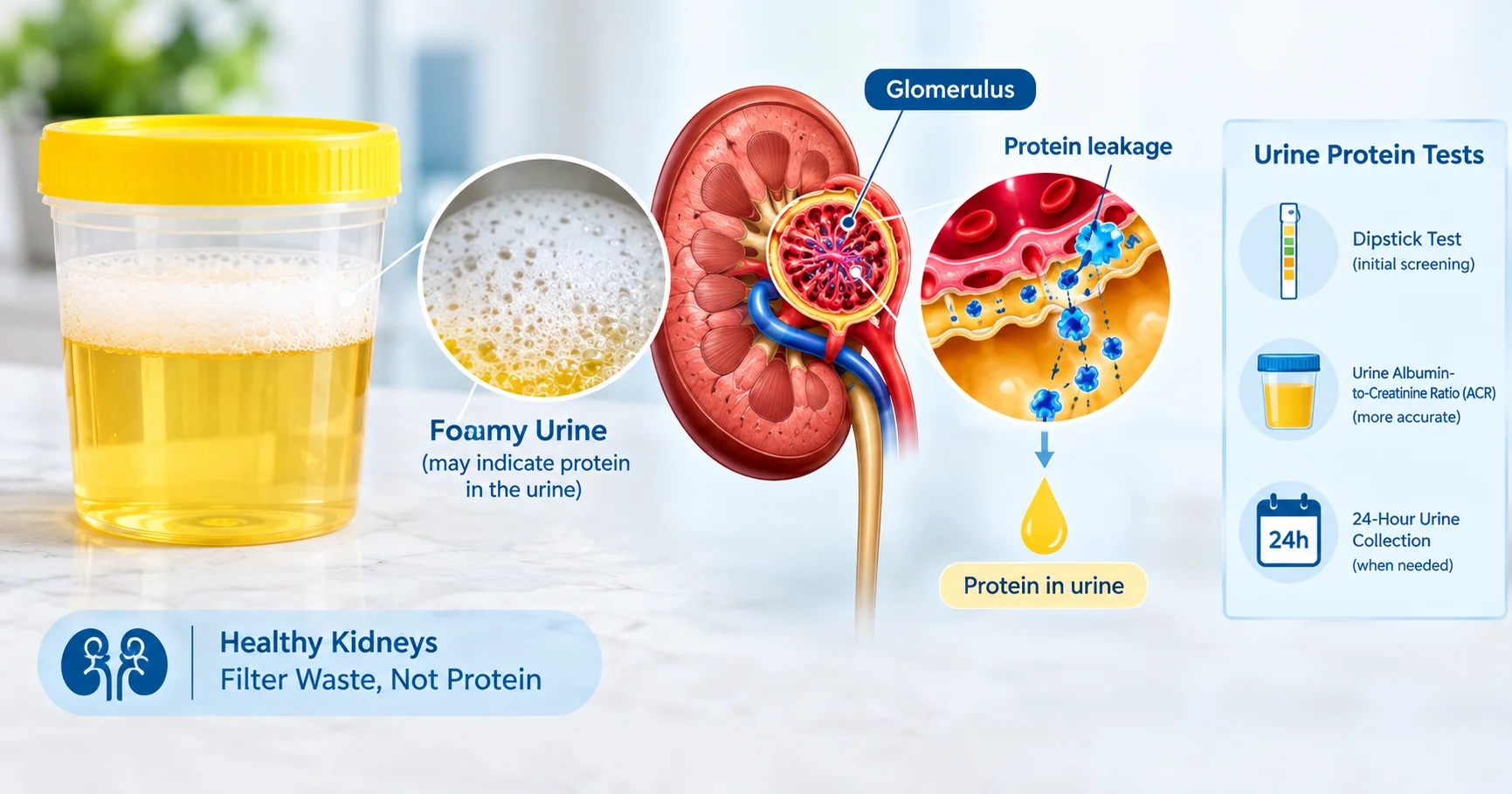
Reviewed by Dr. Jyoti Bansode, MBBS, MD Medicine, DM Nephrology (10+ years experience). Special interest: glomerular diseases. Seeing bubbles or a persistent foam on the surface of your urine can be unsettling. While occasional bubbles are normal, a consistently foamy stream may be a red flag for protein leakage—a hallmark of kidney dysfunction. What Is Foamy Urine and Why It Matters? Foamy urine is defined as a dense layer of small bubbles that remains on the surface of the toilet water for several seconds after voiding. Persistent foam often reflects excess protein (proteinuria) or, less commonly, blood (hematuria) in the urine, both of which can point to underlying kidney disease. According to a 2019 clinical review, persistent foam is considered a warning sign when it appears repeatedly and does not disappear quickly clinical study on foamy urine. Common Causes and Risk Factors Glomerular diseases such as minimal change disease, focal segmental glomerulosclerosis, or membranous nephropathy. Diabetes mellitus – high blood sugar damages the filtering units of the kidneys diabetes and kidney damage. Hypertension – long‑term high blood pressure strains glomeruli. Infections or inflammation of the urinary tract. Dehydration or rapid urine flow that traps air. Use of certain cleaning agents in the toilet that create artificial bubbles. Symptoms and Warning Signs Persistent foamy or bubbly urine (more than a few times a week). Swelling in the ankles, feet, or around the eyes (edema). Fatigue, especially after meals. Blood in the urine (hematuria) – visible pink or red tint. Decreased urine output or a feeling of incomplete emptying. High blood pressure that is difficult to control. How Doctors Evaluate Foamy Urine Urine Protein Tests The first step is a simple dip‑stick test that detects protein. For a more accurate assessment, clinicians order a urine albumin‑to‑creatinine ratio (ACR) or a 24‑hour urine protein collection. An ACR >30 mg/g is considered abnormal and may signal early kidney damage. Blood Tests and Imaging Blood work includes serum creatinine and estimated glomerular filtration rate (eGFR) to gauge overall kidney function. Imaging such as renal ultrasound can rule out structural causes like obstruction or cysts. Interpreting Test Results Normal vs. Pathologic Findings Occasional mild proteinuria (300 mg/g, especially when accompanied by hematuria, warrants further investigation for glomerular disease. When Findings Indicate Kidney Disease If the urine ACR is in the “moderate” (30‑300 mg/g) or “high” (>300 mg/g) range, and eGFR is below 60 mL/min/1.73 m², the pattern aligns with chronic kidney disease (CKD). In such cases, early intervention—blood pressure control, glycemic management, and possibly ACE inhibitors or ARBs—can slow progression. When to Seek Specialist Care Primary‑care providers often manage early kidney changes, but you should see a nephrologist when any of the following occur: Proteinuria persists on repeat testing despite lifestyle changes. eGFR falls below 60 mL/min/1.73 m². Visible blood in the urine or unexplained swelling. Blood pressure remains uncontrolled (>140/90 mmHg) while on three antihypertensives. You have a known risk factor such as diabetes, hypertension, or a family history of kidney disease. For a deeper dive into kidney‑function testing, read our guide on the <a href=”eGFR test and learn why high creatinine levels matter in <a href=”high creatinine causes. If you’re concerned about protein and blood in your urine, the detailed explanation on <a href=”foamy urine kidney disease provides a solid foundation. Practical Steps You Can Take Today Stay well‑hydrated; aim for at least 2 L of water daily. Limit high‑protein diets if you already have proteinuria; discuss with a dietitian. Control blood pressure and blood sugar aggressively. Schedule a repeat urine ACR in 2‑4 weeks to confirm persistence. Keep a symptom diary—note foam frequency, any swelling, and blood pressure readings. For additional reading on how foamy urine relates to broader kidney health, see the overview from HealthGrades and the patient‑focused guide from the Cleveland Clinic. Frequently Asked Questions Is occasional foamy urine normal? Yes, a single layer of bubbles that disappears quickly after a forceful stream is usually harmless and caused by air mixing with urine. Proteinuria above 30 mg/g on a urine ACR, especially if it persists on repeat testing, should be evaluated for kidney disease. Can dehydration cause foamy urine? Dehydration concentrates urine, which can increase foam, but the foam typically clears quickly; persistent foam still warrants testing. How quickly should I see a doctor if I notice blood in my urine? Any visible blood (hematuria) should prompt a medical visit within 24‑48 hours to rule out infection, stones, or kidney disease. Do over‑the‑counter supplements cause foamy urine? Some supplements, especially high‑dose vitamin C or protein powders, can temporarily increase urine protein, but persistent foam still requires evaluation. Is a low‑salt diet helpful for foamy urine? Reducing sodium can lower blood pressure and reduce kidney strain, which may help lessen protein leakage over time. Is a low‑salt diet helpful for foamy urine? Reducing sodium can lower blood pressure and reduce kidney strain, which may help lessen protein leakage over time. Conclusion If foamy urine appears repeatedly, it’s worth investigating with a urine protein test and basic kidney labs. Early detection can prevent irreversible damage, so schedule a check‑up promptly.