+91 8691888178 / 8850999397 dr.jyotibansode.01@gmail.com Monday to Saturday : 05:00PM TO 06:00PM

Urine ACR Test Explained: Why Albumin in Urine Matters

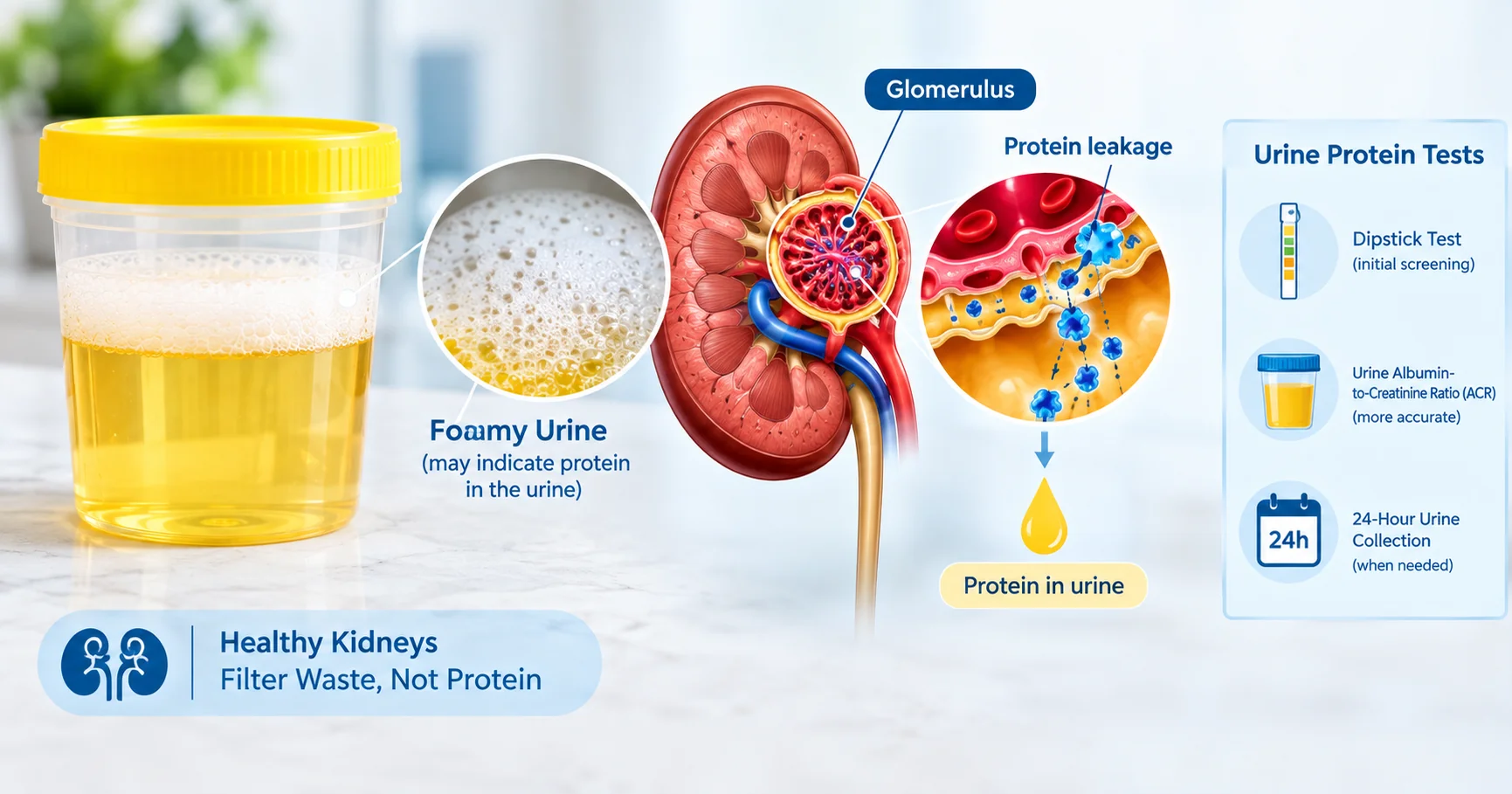
When your doctor orders a urine albumin‑creatinine ratio (ACR) test, the goal is to catch early signs of kidney stress before symptoms appear. This guide breaks down the science in plain language, explains what the numbers mean, and shows you how to prepare for accurate results. Medical Review: Dr. Jyoti Bansode, MBBS, MD Medicine, DM Nephrology – >10 years of nephrology experience. What the Urine ACR Test Measures The ACR test quantifies two substances in a single, random‑spot urine sample: albumin (a protein that belongs in the bloodstream) and creatinine (a waste product filtered by the kidneys). The laboratory divides the albumin concentration (mg) by the creatinine concentration (g) to produce a ratio expressed as mg/g. Because creatinine corrects for urine concentration, the ACR is more reliable than a simple dip‑stick protein test. For a detailed explanation, see Dr. Jyoti Bansode’s article. Albumin vs. Creatinine Albumin should stay in the blood; the kidneys act as a sieve that prevents it from leaking into urine. Creatinine, on the other hand, is a by‑product of muscle metabolism that the kidneys normally excrete. By comparing the two, the ACR tells you whether the filtration barrier is compromised. Why Albumin in Urine Matters Even tiny amounts of albumin (called microalbuminuria) signal that the glomeruli—the tiny filtering units—are under stress. Persistent albuminuria is linked to a higher risk of chronic kidney disease (CKD), cardiovascular events, and progression to end‑stage renal disease. The National Kidney Foundation notes that albuminuria is a red flag for both kidney and heart health NKF uACR overview. Understanding ACR Result Ranges Normal: < 30 mg/g – no significant albumin loss. Microalbuminuria: 30–300 mg/g – early kidney damage; warrants repeat testing and risk‑factor control. Macroalbuminuria: >300 mg/g – overt proteinuria; indicates more advanced disease. These cut‑offs are widely accepted in clinical practice and help guide treatment decisions NKF uACR overview. Common Causes of a High ACR Diabetes mellitus – high blood sugar damages glomerular capillaries. Hypertension – elevated pressure strains the filtration barrier. Glomerulonephritis or other inflammatory kidney diseases. Infections (e.g., urinary tract infection, fever). Medications such as non‑steroidal anti‑inflammatory drugs (NSAIDs) or certain antibiotics. For a deeper look at how diabetes triggers albuminuria, read our Understanding Microalbuminuria in Diabetes. Temporary Factors That Can Skew Results Not every elevated ACR means chronic disease. Transient conditions can raise albumin temporarily: Intense exercise or heavy lifting (muscle breakdown releases creatinine). Fever or acute illness. Dehydration – concentrates urine, raising the ratio. High‑protein meals within the previous 24 hours. Menstrual blood contamination. If any of these apply, your clinician may repeat the test after a few days. Interpreting ACR with eGFR and Creatinine ACR is most powerful when viewed alongside estimated glomerular filtration rate (eGFR) and serum creatinine. A normal eGFR with a high ACR suggests early glomerular injury, while a low eGFR with a modest ACR may reflect advanced CKD. Our Kidney Tests Explained: Creatinine, eGFR, Urine ACR & Electrolytes article walks through the combined interpretation. Laboratories such as Labcorp calculate the ratio automatically and flag results that exceed risk thresholds Labcorp ACR test details. Diabetes, Hypertension, and Cardiovascular Risk Albuminuria is not just a kidney issue; it predicts heart attacks, strokes, and peripheral artery disease. People with diabetes and high blood pressure are up to three times more likely to develop albuminuria, and each 30 mg/g increase in ACR raises cardiovascular risk by roughly 10 % according to the National Kidney Foundation NKF uACR risk page. How Often Should You Repeat the Test? Guidelines recommend: Annual screening for anyone with diabetes or hypertension. Every 1–2 years for individuals with other CKD risk factors (family history, age > 60). Repeat within 3–6 months if the first result is abnormal, after addressing any temporary factors. When to See a Nephrologist Schedule a specialist appointment if you meet any of the following: ACR > 300 mg/g on two separate occasions. eGFR < 60 mL/min/1.73 m² combined with any albuminuria. Rapidly rising ACR (increase > 30 % within 3 months). Persistent proteinuria despite optimal blood‑pressure and glucose control. Our guide on specialist referral can help you prepare for the visit: When Should You See a Nephrologist in Navi Mumbai?. Practical Patient Checklist Before Your ACR Test Collect a mid‑stream, clean‑catch urine sample in the morning if possible. Avoid vigorous exercise for 24 hours prior. Stay well‑hydrated, but do not over‑drink immediately before the test. Notify the lab if you have a fever, infection, or recent heavy protein intake. Bring a list of current medications (especially NSAIDs, ACE inhibitors, or ARBs). Following these steps improves accuracy and reduces the need for repeat testing. Frequently Asked Questions What does a normal urine ACR result look like? A normal ACR is less than 30 mg of albumin per gram of creatinine, indicating that the kidneys are effectively retaining protein. Can a single high ACR result be ignored? No. A single elevated ACR should be repeated after 3–6 months, especially if you had recent fever, intense exercise, or dehydration that could temporarily raise the ratio. Why is the ACR preferred over a simple urine protein dip‑stick? The ACR corrects for urine concentration by using creatinine as a reference, making it more reliable than a dip‑stick, which can be falsely low in dilute urine or high in concentrated samples. How does diabetes affect the urine ACR? High blood glucose damages the glomerular filter, allowing albumin to leak into urine. Even early diabetes can cause microalbuminuria (30–300 mg/g), which signals the need for tighter glucose and blood‑pressure control. When should I see a nephrologist after an abnormal ACR? If your ACR exceeds 300 mg/g, if eGFR falls below 60 mL/min/1.73 m², or if albuminuria rises rapidly despite treatment, a referral to a nephrologist is recommended. Conclusion Understanding your urine ACR result empowers you to act early, protect kidney function, and lower cardiovascular risk. Talk to your healthcare provider about the next steps, whether that means lifestyle changes, medication adjustments, or a referral to a nephrologist.
Urine ACR Test Explained: Why Albumin in Urine Matters

The urine albumin‑creatinine ratio (urine ACR test) is a quick, inexpensive way to spot early kidney damage before symptoms appear. By comparing the amount of albumin (a protein) to creatinine (a waste product) in a single urine sample, doctors can detect albuminuria, monitor disease progression, and guide treatment for conditions like diabetes and hypertension. What Is a Urine ACR Test? A urine ACR test measures the concentration of albumin and creatinine in a spot urine sample and then calculates the ratio, usually expressed in milligrams of albumin per gram of creatinine (mg/g). This ratio corrects for variations in urine concentration, making it more reliable than a simple urine protein test. According to the National Kidney Foundation, the uACR is the preferred screening tool for detecting albuminuria in people at risk for chronic kidney disease (CKD). Why Is the Urine ACR Test Done? Kidneys filter waste while keeping essential proteins like albumin in the bloodstream. When the glomeruli become damaged, albumin leaks into the urine, a condition called albuminuria or proteinuria. Detecting this leak early can: Identify early-stage CKD before eGFR declines. Stratify cardiovascular risk, since albuminuria is an independent predictor of heart disease. Guide medication choices for diabetes, hypertension, and other kidney‑affecting conditions. For people with diabetes, the Kidney Fund notes that routine uACR screening is essential because diabetic kidney disease often begins with microalbuminuria. How Is a Urine ACR Test Done? The test requires a clean‑catch midstream urine sample, which can be collected at home or in a clinic. No fasting is needed, but the sample should be taken when the bladder is neither empty nor overly full. The laboratory measures albumin (mg) and creatinine (g) and reports the ratio. Some labs also provide a separate urine albumin test and a urine creatinine test, but the combined ratio is what clinicians use for interpretation. Understanding Urine ACR Results Results are categorized by the National Kidney Foundation as follows: Understanding urine ACR result with kidney illustration and normal, moderately increased, and severely increased UACR ranges UACR (mg/g) Albuminuria Category What It Means < 30 mg/g Normal to Mildly Increased Usually considered within the normal range. 30–299 mg/g Moderately Increased May indicate early kidney damage or albuminuria. ≥ 300 mg/g Severely Increased May indicate more significant kidney damage and needs medical evaluation. A result under 30 mg/g is considered normal, while values between 30 and 299 mg/g indicate microalbuminuria—a warning sign that kidney damage may be beginning. Values of 300 mg/g or higher reflect macroalbuminuria, which usually means more advanced kidney disease. It’s important to remember that a single abnormal result does not automatically diagnose CKD. The NIDDK recommends repeating the urine ACR test one to two more times over a 3‑month period to confirm persistent albuminuria before labeling someone with chronic kidney disease. UACR vs. Other Urine Protein Tests Traditional urine protein tests measure total protein, which can be influenced by hydration status and muscle mass. The urine ACR test, by normalizing albumin to creatinine, provides a more stable estimate of kidney filtration function. This is why clinicians often prefer the uACR over a generic urine protein test when monitoring diabetic patients or those with hypertension. Key Situations When a Urine ACR Test Is Recommended How is a urine ACR test done showing urine collection, albumin measurement, creatinine measurement, and UACR calculation Annual screening for adults with diabetes or hypertension. Evaluation of unexplained swelling, foamy urine, or decreased urine output. Baseline assessment before starting potentially nephrotoxic medications (e.g., NSAIDs, certain antibiotics). Follow‑up after a previous abnormal ACR to assess treatment response. For a deeper dive into related kidney tests, see our Kidney Tests Explained: Creatinine, eGFR, Urine ACR & Electrolytes. Interpreting High Urine ACR Results When the urine ACR is above 30 mg/g, clinicians consider several possible causes: Early diabetic nephropathy or other forms of CKD. Acute conditions such as urinary tract infection, fever, or intense exercise. Medications that affect kidney function. Addressing reversible factors—like treating an infection or adjusting medication—can sometimes bring the ACR back into the normal range. Lifestyle changes (tight blood‑pressure control, low‑protein diet, smoking cessation) also help lower albuminuria over time. Link Between UACR and eGFR eGFR estimates how well the kidneys filter blood, while uACR detects leakage of protein. Both are complementary: a normal eGFR with a high uACR signals early kidney damage, whereas a low eGFR with a normal uACR may indicate non‑proteinuric CKD. Combining these metrics improves risk stratification, as highlighted by the Labcorp ACR test description. Practical Tips for Accurate Testing To ensure reliable results, follow these guidelines: Collect the sample first thing in the morning, if possible. Avoid heavy exercise, high‑protein meals, and NSAIDs for 24 hours before the test. Store the sample in a cool place and deliver it to the lab within 24 hours. Inform your provider about any recent infections or medications. For more on how to prepare for lab tests, read our Protein in Urine Child: When to Seek Kidney Care. When to Repeat the Test If your first urine ACR result is abnormal, most clinicians will repeat the test after 2–4 weeks to confirm persistence. For patients with known CKD, the test may be ordered every 3–6 months, depending on disease stability and treatment changes. Diabetic patients are often advised to have a urine ACR at least once a year, as recommended by the American Diabetes Association. Can High Urine ACR Be Reversed? Yes, in many cases. Tight glycemic control, blood‑pressure management (especially with ACE inhibitors or ARBs), and lifestyle modifications have been shown to reduce albuminuria. Studies cited by the Siemens Healthineers indicate that up to 30 % of patients can achieve a return to the normal range with appropriate therapy. Ultimately, early detection through regular urine ACR screening empowers patients and providers to intervene before irreversible kidney damage occurs. Frequently Asked Questions What is a urine ACR test? A urine ACR test measures the albumin‑to‑creatinine ratio in a spot urine sample, providing a snapshot of how much albumin is leaking into the urine relative to creatinine. What does a high

Protein in Urine Child: When to Seek Kidney Care

Finding protein or blood in a child’s urine can be unsettling for parents. While occasional traces may be harmless, they can also signal an underlying kidney issue that needs timely attention. This guide explains what these findings mean, common causes, essential tests, and clear signs that warrant a specialist’s evaluation. Quick answer (40‑60 words): Protein or blood in a child’s urine may be temporary (e.g., after fever or exercise) or indicate kidney disease such as glomerulonephritis, nephrotic syndrome, or a urinary tract infection. Seek pediatric nephrology care if the abnormality persists, is accompanied by swelling, high blood pressure, or pain. – Persistent proteinuria or hematuria – Swelling (edema) around eyes, ankles, or abdomen – Unexplained high blood pressure – Painful urination, fever, or flank pain – Family history of kidney disease What Does Protein or Blood in Urine Indicate? Both protein and red blood cells are normally filtered by healthy kidneys. When the filtration barrier is damaged, protein leaks (proteinuria) or blood appears (hematuria) in the urine. According to Orlando Health’s early‑kidney‑signs guide, pediatricians use a routine urine dipstick to detect these abnormalities during well‑child visits. Common Causes of Proteinuria in Children Proteinuria can be classified as orthostatic (appears only when standing) or persistent. The most frequent reasons include: Orthostatic proteinuria – benign and often resolves with age. Fever, illness, or intense exercise – temporary spikes, as noted by the National Kidney Foundation. Urinary tract infection (UTI) – inflammation can leak protein. Nephrotic syndrome – heavy protein loss, swelling, and risk of infections. Chronic kidney disease – progressive loss of filtering ability. In most cases, a single mild proteinuria episode is not serious, but repeated findings require further evaluation Children’s Health on pediatric proteinuria. Common Causes of Hematuria in Children Blood in the urine may be visible (gross hematuria) or only detectable under a microscope (microscopic hematuria). Typical causes are: UTI – the most common infectious cause. Kidney stones – can cause painful bleeding. Trauma – after a fall or sports injury. Glomerulonephritis – inflammation of the kidney’s filtering units. Structural abnormalities – such as reflux or polycystic kidneys. If hematuria persists, especially with protein, high blood pressure, or reduced urine output, a nephrologist should be consulted Nemours KidsHealth on hematuria. When to Seek Kidney Care Most pediatricians will monitor mild, isolated findings. However, you should arrange a specialist appointment when any of the following are present: Proteinuria or hematuria that lasts more than 2 weeks. Swelling (edema) in the face, hands, or feet. Consistently high blood pressure for age. Painful urination, fever, or flank pain. Family history of kidney disease or genetic conditions. Early referral improves outcomes, especially for conditions like nephrotic syndrome or glomerulonephritis. Key Tests Pediatricians Use Tests for protein or blood in a child’s urine including urinalysis, blood tests and kidney ultrasound To pinpoint the cause, doctors may order: Urine analysis (UA) and urine culture – checks for protein, blood, infection, and crystals. Blood tests – serum creatinine, BUN, electrolytes, and complement levels. Kidney ultrasound – non‑invasive imaging to view size, structure, and stones. 24‑hour urine protein collection – quantifies protein loss. Kidney biopsy – reserved for unclear cases or suspected glomerular disease Children’s Health on pediatric hematuria. These investigations help differentiate temporary changes from chronic kidney disease. Red‑Flag Symptoms That Need Immediate Attention While many urinary abnormalities are benign, watch for these urgent signs:  – Sudden onset of severe flank or abdominal pain.  – Persistent fever (>38°C) with urinary changes.  – Rapid swelling of the face or legs.  – Decreased urine output or dark‑colored urine. – Signs of anemia (pallor, fatigue) combined with hematuria. If any of these appear, seek emergency care and inform the physician about the urine findings. What to Expect During a Pediatric Nephrology Visit A pediatric nephrologist will review the child’s medical history, repeat urine tests, and may order imaging or a biopsy based on initial results. The goal is to identify the underlying cause, assess kidney function, and develop a treatment plan that may include medication, dietary changes, or monitoring. Medical Review: Dr. Jyoti Bansode, MBBS, MD Medicine, DM Nephrology, with more than 10 years of pediatric nephrology experience. For a deeper dive into kidney‑specific services, explore our kidney specialist in Vashi page or learn when to schedule a consultation via when should you see a nephrologist in Navi Mumbai?. Additional guidance on kidney biopsies is available in Kidney Biopsy Preparation & Recovery. Frequently Asked Questions Is occasional protein in a child’s urine always a cause for concern? Occasional protein, especially after fever, exercise, or dehydration, is often temporary and harmless. However, if it persists for more than a few weeks, repeat testing is recommended. What distinguishes orthostatic proteinuria from disease‑related proteinuria? Orthostatic proteinuria appears only when the child is upright and disappears when lying down, and it usually requires no treatment. Disease‑related proteinuria is present regardless of position and often signals kidney pathology. Can a urinary tract infection cause both protein and blood in urine? Yes, a UTI can irritate the urinary tract lining, leading to protein leakage and microscopic or gross hematuria, along with symptoms like burning urination and fever. When should I schedule a kidney ultrasound for my child? A kidney ultrasound is advised when urine tests show persistent abnormalities, there is flank pain, a history of stones, or structural concerns identified by the pediatrician. Are there lifestyle changes that can reduce proteinuria in children? Ensuring adequate hydration, managing blood pressure, and avoiding excessive salt intake can help. For children with specific kidney conditions, a low‑protein diet may be recommended by a specialist. What is the role of a kidney biopsy in pediatric patients? A biopsy provides a definitive diagnosis when non‑invasive tests are inconclusive, especially for suspected glomerulonephritis or unexplained persistent proteinuria. Conclusion If protein or blood appears in your child’s urine, monitor the situation closely and act promptly when warning signs emerge. Early evaluation by a pediatric nephrologist can prevent complications and ensure the best possible outcome for your child’s kidney health.

When Should You See a Nephrologist in Navi Mumbai?

When Should You See a Nephrologist in Navi Mumbai? Kidney health often goes unnoticed until a problem becomes serious. Knowing the right moment to consult a kidney specialist can prevent complications, preserve function, and improve quality of life. This guide explains the warning signs, essential lab reports, and what to expect during a nephrology visit in Navi Mumbai, with a focus on the expertise of Dr. Jyoti Bansode. Why Early Nephrology Care Matters Kidneys filter waste, balance electrolytes, and regulate blood pressure. When they start to falter, the body may not show obvious symptoms right away. Early detection—especially for people with diabetes, hypertension, or a family history of kidney disease—allows timely interventions that can slow or even reverse damage. According to Prime Care 360’s kidney care guide, many kidney conditions are silent in the first stages, making regular monitoring essential. Key Situations When You Should See a Nephrologist Abnormal Blood Tests: Elevated serum creatinine, low eGFR (<60 mL/min/1.73 m²), or rising blood urea nitrogen (BUN) without an obvious cause. Urine Changes: Persistent proteinuria, blood in urine, foamy or frothy urine, or frequent nighttime urination. Swelling (Edema): Unexplained swelling in the ankles, feet, face, or hands. High Blood Pressure Uncontrolled by Medication: Hypertension that remains high despite treatment can be a sign of kidney involvement. Chronic Conditions: Diabetes, heart disease, or autoimmune disorders (e.g., lupus) that increase kidney risk. Family History: A parent or sibling with chronic kidney disease (CKD) or kidney failure. If any of these red flags appear, schedule a kidney consultation promptly. Essential Reports to Bring to Your Appointment Having the right documentation helps the nephrologist assess your kidney health efficiently. Prepare the following: Recent serum creatinine and eGFR results. Urine analysis reports (protein, blood, microalbumin). Blood pressure logs (if you monitor at home). Medication list, including over‑the‑counter supplements. Any prior imaging (ultrasound, CT) or biopsy reports. For a deeper dive into interpreting eGFR, see our What Does Your eGFR Number Mean? article. How Dr. Jyoti Bansode Evaluates Kidney Problems Medical Review – Dr. Jyoti Bansode MBBS, MD (Medicine), DM (Nephrology) – over 10 years of dedicated nephrology practice. Based in NewEra Hospitals, Vashi, Dr. Bansode offers comprehensive kidney care, from early CKD detection to dialysis planning and transplant evaluation. Patients benefit from a personalized approach, state‑of‑the‑art diagnostics, and coordinated care with allied specialists. During the first visit, Dr. Bansode typically: Reviews your medical history and risk factors. Analyzes the lab reports you bring. Performs a focused physical exam (checking for edema, blood pressure, and abdominal masses). Orders additional tests if needed (e.g., renal ultrasound, 24‑hour urine protein, or kidney biopsy). Creates a tailored management plan, which may include lifestyle changes, medication adjustments, or referral for advanced therapies. Questions to Ask at Your Nephrology Consultation Being proactive with questions ensures you leave the appointment with a clear roadmap. Consider asking: What is the likely cause of my kidney abnormalities? How fast is my kidney function declining, and what does my eGFR trend mean? Which lifestyle changes can protect my kidneys the most? Do I need medication adjustments for blood pressure or diabetes? When should I return for follow‑up labs or imaging? Is a second opinion or referral to a transplant center appropriate? When Kidney Symptoms Require Urgent Attention Kidney warning signs that require urgent medical attention including pain, swelling, fever, low urine output and breathlessness Some kidney‑related emergencies need immediate medical care. Seek urgent evaluation if you experience: Sudden, severe flank pain or blood in the urine. Rapid swelling of the face or legs accompanied by shortness of breath. Marked drop in urine output (oliguria) or complete absence of urine (anuria). High fever with chills and flank tenderness (possible kidney infection). Confusion, nausea, or vomiting with rising creatinine levels. In such cases, go to the nearest emergency department or call emergency services. Preparing for Your Nephrologist Appointment To make the most of your visit: Fast for 8‑12 hours if you’re scheduled for blood work. Bring a list of all medications, including herbal supplements. Write down any symptoms, their frequency, and triggers. Carry previous kidney‑related reports (e.g., What Causes High Creatinine? for background). Prepare insurance or payment information; most clinics in Navi Mumbai accept major insurers. Finding a Trusted Kidney Specialist in Navi Mumbai Beyond Dr. Jyoti Bansode, Navi Mumbai hosts several reputable nephrology centers, such as those listed on Practo’s nephrologist guide and Echelon Hospital’s nephrology services. When choosing a provider, consider credentials, patient reviews, and proximity to your home or workplace. Consistency in follow‑up care is key for chronic kidney disease management. Local Support and Resources Living in Navi Mumbai offers access to specialized kidney care facilities, patient education workshops, and support groups. Organizations often host free screening camps for diabetes and hypertension—two major contributors to kidney disease. Staying informed and participating in community health events can help you catch problems early. Frequently Asked Questions When should I schedule my first nephrology appointment? Book a visit as soon as you have abnormal kidney labs (e.g., high creatinine or low eGFR), persistent proteinuria, unexplained swelling, or uncontrolled high blood pressure. What lab tests are most important for a kidney evaluation? Serum creatinine, eGFR, BUN, urine protein/albumin, and a complete metabolic panel are essential; a 24‑hour urine protein test may be added if needed. Can I get a second opinion on a kidney diagnosis? Yes, seeking a second opinion is encouraged, especially before major decisions like dialysis initiation or transplant evaluation. How often should I have kidney function checked if I have diabetes? People with diabetes should have kidney function tests (creatinine, eGFR, and urine albumin) at least twice a year, or more frequently if abnormalities are detected. What lifestyle changes help preserve kidney health? Maintain blood pressure and blood sugar control, stay hydrated, limit excessive salt and protein, avoid NSAIDs overuse, and quit smoking. When is kidney disease considered an emergency? Sudden severe flank pain, rapid swelling, sudden loss of urine output, high fever with flank tenderness, or confusion with rising creatinine require immediate medical attention. Conclusion Protecting your kidneys starts with recognizing the signs

Nephrologist vs Urologist: Which Specialist Should You See?

When kidney‑related issues arise, the choice between a nephrologist and a urologist can be confusing. Both specialties treat the renal system, but their focus, training, and typical interventions differ. This guide breaks down the roles, common conditions, essential tests, and scenarios where you might need one or both specialists, especially for patients in Navi Mumbai. Understanding the Roles: Nephrologist vs. Urologist Nephrologist – The Kidney Medicine Expert A nephrologist is a physician who specializes in the medical management of kidney disease. They handle chronic conditions such as chronic kidney disease (CKD), hypertension‑related kidney damage, electrolyte imbalances, and the coordination of dialysis or transplant care. Their work is largely non‑surgical and focuses on preserving kidney function and managing systemic complications. Urologist – The Surgical Specialist of the Urinary Tract A urologist treats diseases of the entire urinary system—including kidneys, ureters, bladder, urethra—and male reproductive organs. They perform surgeries for kidney stones, urinary blockages, prostate enlargement, and cancers of the urinary tract. While they also manage infections and functional problems, their expertise lies in procedural interventions. Key Differences Patients Should Know Below is a quick reference that highlights the primary distinctions: Problem / Symptom Typical Specialist Relevant Tests / Options Direct Answer (40‑60 words) Persistent high creatinine Nephrologist Serum creatinine, eGFR, kidney ultrasound, renal panel Elevated creatinine usually signals reduced kidney filtration, so a nephrologist evaluates the cause, monitors progression, and decides on medical or dialysis therapy. Kidney stones causing severe pain Urologist CT scan, non‑contrast KUB, stone analysis, lithotripsy or ureteroscopy When stones block the urinary tract, a urologist provides imaging, pain relief, and minimally invasive removal or shock‑wave therapy. Unexplained foamy urine Nephrologist Urine protein quantification, albumin‑to‑creatinine ratio, kidney function tests Foamy urine often indicates proteinuria, a sign of kidney disease; a nephrologist assesses the underlying cause and initiates treatment. Recurrent urinary tract infections (UTIs) Urologist Urine culture, imaging of bladder and kidneys, cystoscopy if needed Frequent UTIs may stem from structural issues; a urologist investigates anatomy and may recommend surgery or long‑term prophylaxis. Need for dialysis or transplant evaluation Nephrologist eGFR trends, vascular access planning, transplant work‑up Dialysis initiation and transplant eligibility are coordinated by nephrologists who monitor kidney function and overall health. When Both Specialists May Be Involved Complex cases often require a collaborative approach. For example, a patient with large kidney stones and declining kidney function may see a urologist for stone removal and a nephrologist for ongoing CKD management. Joint care ensures surgical success while protecting long‑term renal health. Common Symptoms That Should Not Be Ignored Sudden flank pain with blood in urine – could be a stone or obstruction. Persistent swelling of ankles or face – may indicate fluid retention from kidney failure. Frequent urination at night (nocturia) – can be a sign of prostate enlargement or bladder issues. Unexplained fatigue and loss of appetite – often early signs of reduced kidney function. For detailed guidance on kidney biopsy preparation, see our Kidney Biopsy Preparation & Recovery guide. If you notice foamy urine, read our Foamy Urine article for early detection tips. High creatinine levels are explained in What Causes High Creatinine?. Diagnostic Tests That Guide Specialist Choice Both specialists rely on imaging and laboratory studies, but the emphasis differs: Ultrasound or CT scan: Helps urologists locate stones, tumors, or blockages, while nephrologists use it to assess kidney size and structural changes. Blood panels (creatinine, BUN, electrolytes): Primary for nephrologists to gauge filtration. Urine analysis: Detects infection, blood, or protein – relevant to both but interpreted differently. According to Understanding the Distinction: Urologist vs. Nephrologist, the decision often hinges on whether the problem is functional (nephrology) or anatomical (urology). Nephrologist vs Urologist: Key Differences Explained adds that nephrologists manage dialysis and transplant follow‑up, whereas urologists perform surgeries. For stone‑specific guidance, Urologist vs. Nephrologist: Which to See For a Kidney Stone provides a clear pathway. Medical Review: Dr. Jyoti Bansode Dr. Jyoti Bansode, MD, DM (Nephrology) MBBS, MD Medicine, DM Nephrology Over 10 years of experience in managing chronic kidney disease, dialysis, and transplant care. Provides comprehensive nephrology services in Navi Mumbai. If you suspect a kidney‑related issue, schedule an appointment with a qualified nephrologist or contact a local urologist for surgical concerns. Early evaluation can prevent complications and preserve kidney health. Frequently Asked Questions What is the main difference between a nephrologist and a urologist? A nephrologist focuses on medical management of kidney disease, while a urologist specializes in surgical treatment of the urinary tract and related organs. Which specialist should I see for kidney stones? Kidney stones that require removal or shock‑wave therapy are best managed by a urologist, though a nephrologist may help with prevention and metabolic evaluation. Can I need both a nephrologist and a urologist at the same time? Yes, complex cases such as large stones with declining kidney function often involve coordinated care between both specialists. What tests determine whether I need a nephrologist or a urologist? Imaging (ultrasound, CT) identifies structural issues for urologists, while blood tests (creatinine, eGFR) and urine protein analysis guide nephrologists. When should I schedule a nephrology evaluation? If you have persistent high creatinine, proteinuria, uncontrolled hypertension, or need dialysis or transplant assessment, see a nephrologist promptly. Conclusion Choosing the right specialist starts with understanding your symptoms and the underlying cause. For medical management of kidney disease, see a nephrologist; for structural or surgical problems, consult a urologist. When in doubt, a brief evaluation by either can direct you to the appropriate care.