+91 8691888178 / 8850999397 dr.jyotibansode.01@gmail.com Monday to Saturday : 05:00PM TO 06:00PM

Blog

When Should You See a Nephrologist in Navi Mumbai?

When Should You See a Nephrologist in Navi Mumbai? Kidney health often goes unnoticed until a problem becomes serious. Knowing the right moment to consult a kidney specialist can prevent complications, preserve function, and improve quality of life. This guide explains the warning signs, essential lab reports, and what to expect during a nephrology visit in Navi Mumbai, with a focus on the expertise of Dr. Jyoti Bansode. Why Early Nephrology Care Matters Kidneys filter waste, balance electrolytes, and regulate blood pressure. When they start to falter, the body may not show obvious symptoms right away. Early detection—especially for people with diabetes, hypertension, or a family history of kidney disease—allows timely interventions that can slow or even reverse damage. According to Prime Care 360’s kidney care guide, many kidney conditions are silent in the first stages, making regular monitoring essential. Key Situations When You Should See a Nephrologist Abnormal Blood Tests: Elevated serum creatinine, low eGFR (<60 mL/min/1.73 m²), or rising blood urea nitrogen (BUN) without an obvious cause. Urine Changes: Persistent proteinuria, blood in urine, foamy or frothy urine, or frequent nighttime urination. Swelling (Edema): Unexplained swelling in the ankles, feet, face, or hands. High Blood Pressure Uncontrolled by Medication: Hypertension that remains high despite treatment can be a sign of kidney involvement. Chronic Conditions: Diabetes, heart disease, or autoimmune disorders (e.g., lupus) that increase kidney risk. Family History: A parent or sibling with chronic kidney disease (CKD) or kidney failure. If any of these red flags appear, schedule a kidney consultation promptly. Essential Reports to Bring to Your Appointment Having the right documentation helps the nephrologist assess your kidney health efficiently. Prepare the following: Recent serum creatinine and eGFR results. Urine analysis reports (protein, blood, microalbumin). Blood pressure logs (if you monitor at home). Medication list, including over‑the‑counter supplements. Any prior imaging (ultrasound, CT) or biopsy reports. For a deeper dive into interpreting eGFR, see our What Does Your eGFR Number Mean? article. How Dr. Jyoti Bansode Evaluates Kidney Problems Medical Review – Dr. Jyoti Bansode MBBS, MD (Medicine), DM (Nephrology) – over 10 years of dedicated nephrology practice. Based in NewEra Hospitals, Vashi, Dr. Bansode offers comprehensive kidney care, from early CKD detection to dialysis planning and transplant evaluation. Patients benefit from a personalized approach, state‑of‑the‑art diagnostics, and coordinated care with allied specialists. During the first visit, Dr. Bansode typically: Reviews your medical history and risk factors. Analyzes the lab reports you bring. Performs a focused physical exam (checking for edema, blood pressure, and abdominal masses). Orders additional tests if needed (e.g., renal ultrasound, 24‑hour urine protein, or kidney biopsy). Creates a tailored management plan, which may include lifestyle changes, medication adjustments, or referral for advanced therapies. Questions to Ask at Your Nephrology Consultation Being proactive with questions ensures you leave the appointment with a clear roadmap. Consider asking: What is the likely cause of my kidney abnormalities? How fast is my kidney function declining, and what does my eGFR trend mean? Which lifestyle changes can protect my kidneys the most? Do I need medication adjustments for blood pressure or diabetes? When should I return for follow‑up labs or imaging? Is a second opinion or referral to a transplant center appropriate? When Kidney Symptoms Require Urgent Attention Kidney warning signs that require urgent medical attention including pain, swelling, fever, low urine output and breathlessness Some kidney‑related emergencies need immediate medical care. Seek urgent evaluation if you experience: Sudden, severe flank pain or blood in the urine. Rapid swelling of the face or legs accompanied by shortness of breath. Marked drop in urine output (oliguria) or complete absence of urine (anuria). High fever with chills and flank tenderness (possible kidney infection). Confusion, nausea, or vomiting with rising creatinine levels. In such cases, go to the nearest emergency department or call emergency services. Preparing for Your Nephrologist Appointment To make the most of your visit: Fast for 8‑12 hours if you’re scheduled for blood work. Bring a list of all medications, including herbal supplements. Write down any symptoms, their frequency, and triggers. Carry previous kidney‑related reports (e.g., What Causes High Creatinine? for background). Prepare insurance or payment information; most clinics in Navi Mumbai accept major insurers. Finding a Trusted Kidney Specialist in Navi Mumbai Beyond Dr. Jyoti Bansode, Navi Mumbai hosts several reputable nephrology centers, such as those listed on Practo’s nephrologist guide and Echelon Hospital’s nephrology services. When choosing a provider, consider credentials, patient reviews, and proximity to your home or workplace. Consistency in follow‑up care is key for chronic kidney disease management. Local Support and Resources Living in Navi Mumbai offers access to specialized kidney care facilities, patient education workshops, and support groups. Organizations often host free screening camps for diabetes and hypertension—two major contributors to kidney disease. Staying informed and participating in community health events can help you catch problems early. Frequently Asked Questions When should I schedule my first nephrology appointment? Book a visit as soon as you have abnormal kidney labs (e.g., high creatinine or low eGFR), persistent proteinuria, unexplained swelling, or uncontrolled high blood pressure. What lab tests are most important for a kidney evaluation? Serum creatinine, eGFR, BUN, urine protein/albumin, and a complete metabolic panel are essential; a 24‑hour urine protein test may be added if needed. Can I get a second opinion on a kidney diagnosis? Yes, seeking a second opinion is encouraged, especially before major decisions like dialysis initiation or transplant evaluation. How often should I have kidney function checked if I have diabetes? People with diabetes should have kidney function tests (creatinine, eGFR, and urine albumin) at least twice a year, or more frequently if abnormalities are detected. What lifestyle changes help preserve kidney health? Maintain blood pressure and blood sugar control, stay hydrated, limit excessive salt and protein, avoid NSAIDs overuse, and quit smoking. When is kidney disease considered an emergency? Sudden severe flank pain, rapid swelling, sudden loss of urine output, high fever with flank tenderness, or confusion with rising creatinine require immediate medical attention. Conclusion Protecting your kidneys starts with recognizing the signs


Nephrologist vs Urologist: Which Specialist Should You See?

When kidney‑related issues arise, the choice between a nephrologist and a urologist can be confusing. Both specialties treat the renal system, but their focus, training, and typical interventions differ. This guide breaks down the roles, common conditions, essential tests, and scenarios where you might need one or both specialists, especially for patients in Navi Mumbai. Understanding the Roles: Nephrologist vs. Urologist Nephrologist – The Kidney Medicine Expert A nephrologist is a physician who specializes in the medical management of kidney disease. They handle chronic conditions such as chronic kidney disease (CKD), hypertension‑related kidney damage, electrolyte imbalances, and the coordination of dialysis or transplant care. Their work is largely non‑surgical and focuses on preserving kidney function and managing systemic complications. Urologist – The Surgical Specialist of the Urinary Tract A urologist treats diseases of the entire urinary system—including kidneys, ureters, bladder, urethra—and male reproductive organs. They perform surgeries for kidney stones, urinary blockages, prostate enlargement, and cancers of the urinary tract. While they also manage infections and functional problems, their expertise lies in procedural interventions. Key Differences Patients Should Know Below is a quick reference that highlights the primary distinctions: Problem / Symptom Typical Specialist Relevant Tests / Options Direct Answer (40‑60 words) Persistent high creatinine Nephrologist Serum creatinine, eGFR, kidney ultrasound, renal panel Elevated creatinine usually signals reduced kidney filtration, so a nephrologist evaluates the cause, monitors progression, and decides on medical or dialysis therapy. Kidney stones causing severe pain Urologist CT scan, non‑contrast KUB, stone analysis, lithotripsy or ureteroscopy When stones block the urinary tract, a urologist provides imaging, pain relief, and minimally invasive removal or shock‑wave therapy. Unexplained foamy urine Nephrologist Urine protein quantification, albumin‑to‑creatinine ratio, kidney function tests Foamy urine often indicates proteinuria, a sign of kidney disease; a nephrologist assesses the underlying cause and initiates treatment. Recurrent urinary tract infections (UTIs) Urologist Urine culture, imaging of bladder and kidneys, cystoscopy if needed Frequent UTIs may stem from structural issues; a urologist investigates anatomy and may recommend surgery or long‑term prophylaxis. Need for dialysis or transplant evaluation Nephrologist eGFR trends, vascular access planning, transplant work‑up Dialysis initiation and transplant eligibility are coordinated by nephrologists who monitor kidney function and overall health. When Both Specialists May Be Involved Complex cases often require a collaborative approach. For example, a patient with large kidney stones and declining kidney function may see a urologist for stone removal and a nephrologist for ongoing CKD management. Joint care ensures surgical success while protecting long‑term renal health. Common Symptoms That Should Not Be Ignored Sudden flank pain with blood in urine – could be a stone or obstruction. Persistent swelling of ankles or face – may indicate fluid retention from kidney failure. Frequent urination at night (nocturia) – can be a sign of prostate enlargement or bladder issues. Unexplained fatigue and loss of appetite – often early signs of reduced kidney function. For detailed guidance on kidney biopsy preparation, see our Kidney Biopsy Preparation & Recovery guide. If you notice foamy urine, read our Foamy Urine article for early detection tips. High creatinine levels are explained in What Causes High Creatinine?. Diagnostic Tests That Guide Specialist Choice Both specialists rely on imaging and laboratory studies, but the emphasis differs: Ultrasound or CT scan: Helps urologists locate stones, tumors, or blockages, while nephrologists use it to assess kidney size and structural changes. Blood panels (creatinine, BUN, electrolytes): Primary for nephrologists to gauge filtration. Urine analysis: Detects infection, blood, or protein – relevant to both but interpreted differently. According to Understanding the Distinction: Urologist vs. Nephrologist, the decision often hinges on whether the problem is functional (nephrology) or anatomical (urology). Nephrologist vs Urologist: Key Differences Explained adds that nephrologists manage dialysis and transplant follow‑up, whereas urologists perform surgeries. For stone‑specific guidance, Urologist vs. Nephrologist: Which to See For a Kidney Stone provides a clear pathway. Medical Review: Dr. Jyoti Bansode Dr. Jyoti Bansode, MD, DM (Nephrology) MBBS, MD Medicine, DM Nephrology Over 10 years of experience in managing chronic kidney disease, dialysis, and transplant care. Provides comprehensive nephrology services in Navi Mumbai. If you suspect a kidney‑related issue, schedule an appointment with a qualified nephrologist or contact a local urologist for surgical concerns. Early evaluation can prevent complications and preserve kidney health. Frequently Asked Questions What is the main difference between a nephrologist and a urologist? A nephrologist focuses on medical management of kidney disease, while a urologist specializes in surgical treatment of the urinary tract and related organs. Which specialist should I see for kidney stones? Kidney stones that require removal or shock‑wave therapy are best managed by a urologist, though a nephrologist may help with prevention and metabolic evaluation. Can I need both a nephrologist and a urologist at the same time? Yes, complex cases such as large stones with declining kidney function often involve coordinated care between both specialists. What tests determine whether I need a nephrologist or a urologist? Imaging (ultrasound, CT) identifies structural issues for urologists, while blood tests (creatinine, eGFR) and urine protein analysis guide nephrologists. When should I schedule a nephrology evaluation? If you have persistent high creatinine, proteinuria, uncontrolled hypertension, or need dialysis or transplant assessment, see a nephrologist promptly. Conclusion Choosing the right specialist starts with understanding your symptoms and the underlying cause. For medical management of kidney disease, see a nephrologist; for structural or surgical problems, consult a urologist. When in doubt, a brief evaluation by either can direct you to the appropriate care.

Kidney Transplant Evaluation: When Should Preparation Begin?

Facing kidney failure can feel overwhelming, but understanding the transplant evaluation process empowers you to act at the right moment. This guide explains when to start preparing, what the evaluation entails, and how to navigate each step with confidence. Why Kidney Transplant Evaluation May Be Discussed A transplant nephrologist typically raises the topic when your kidney function declines to a level where dialysis or transplant becomes the most viable long‑term solution. According to the National Kidney Foundation, patients are usually referred once their glomerular filtration rate (GFR) falls between 25 and 30 mL/min/1.73 m². The HRSA guidelines echo this, noting that early referral gives the transplant team ample time to complete testing before end‑stage renal disease (ESRD) sets in. Who May Need an Evaluation? Not every person with chronic kidney disease (CKD) qualifies for a transplant right away. Candidates typically include: Adults with CKD stage 4 (eGFR 15‑29) or stage 5 (eGFR < 15) who are otherwise medically stable. Patients already on dialysis who meet age, cardiovascular, and psychosocial criteria. Living donors – family members or friends with compatible blood type and kidney health. High‑risk or ABO‑incompatible cases managed by experienced centers like Dr. Jyoti Bansode’s practice. Understanding your eGFR is crucial; see our eGFR guide for a detailed breakdown. How to Prepare for the Evaluation How to Prepare for the Evaluation Preparation starts well before the first appointment. Gather the following: Complete medical history, including past surgeries, infections, and vaccination records. Recent laboratory results (CBC, metabolic panel, hepatitis B/C, HIV, and blood type). Imaging reports (chest X‑ray, abdominal ultrasound, cardiac stress test if indicated). List of current medications, especially immunosuppressants or anticoagulants. Psychosocial documentation – proof of stable housing, insurance, and support system. Below is a quick reference table that outlines what to do before, during, and after the evaluation. Phase Key Actions Purpose Before Collect records, schedule labs, arrange transportation Ensure the transplant center has a complete picture During Undergo physical exam, blood work, imaging, and psychosocial interview Assess medical suitability and match potential After Review results with the transplant team, discuss listing status Determine next steps – wait‑list, additional testing, or alternative therapy What Happens During the Evaluation The transplant center conducts a comprehensive, one‑day assessment that may include: Blood tests: kidney function panel, HLA typing, infectious disease screening. Imaging: Doppler ultrasound of kidneys, chest X‑ray, and possibly a cardiac echo. Cardiovascular review: stress test or coronary calcium scan for patients over 50 or with heart risk factors. Psychosocial interview: evaluation of mental health, adherence potential, and support network. Educational session: overview of post‑transplant care, medication regimen, and lifestyle changes. For a detailed look at the testing protocol, refer to the UPMC evaluation overview. Recovery, Results, and Follow‑Up Most patients leave the evaluation center the same day, but the decision timeline varies. Centers typically provide a decision within 1‑2 weeks. If approved, you’ll be placed on the national waiting list and matched based on HLA compatibility, blood type, and waiting time. Post‑evaluation follow‑up includes: Review of any abnormal findings (e.g., cardiac issues that need treatment before listing). Vaccination updates – especially hepatitis B and pneumococcal vaccines. Continued dialysis planning if you’re already on treatment. Regular meetings with the transplant coordinator to keep your profile current. Warning signs of kidney problems that need immediate medical review Warning Signs That Need Immediate Medical Review Even after a successful evaluation, certain symptoms warrant prompt attention: Sudden swelling of the legs or face. Fever, chills, or unexplained infections. Shortness of breath or chest pain. New onset of severe hypertension. Rapid decline in urine output (if you still produce urine). Report any of these to your nephrologist right away to avoid complications. Medical Review – Dr. Jyoti Bansode Dr. Jyoti Bansode holds an MBBS, MD in Medicine, and a DM in Nephrology, with over 10 years of experience. She has performed high‑risk, ABO‑incompatible, and pediatric kidney transplants, and leads a dedicated transplant team in Navi Mumbai. For personalized guidance, schedule an dialysis consultation or contact her office directly. Preparing early, understanding each step, and staying vigilant about warning signs can make the difference between a smooth transplant journey and unnecessary delays. Frequently Asked Questions When is the ideal time to begin a kidney transplant evaluation? Experts recommend starting the evaluation when the eGFR falls between 25 and 30 mL/min/1.73 m², allowing enough time to complete testing before reaching end‑stage renal disease. What tests are required during the transplant evaluation? The evaluation typically includes blood work for kidney function and HLA typing, imaging such as chest X‑ray and kidney ultrasound, cardiac screening, and a psychosocial interview. Can I be evaluated for a transplant while still on dialysis? Yes. Patients on dialysis are often evaluated concurrently so they can be listed immediately if they meet all medical and psychosocial criteria. How long does it take to receive the evaluation results? Most transplant centers provide a decision within 1–2 weeks after the one‑day assessment, though complex cases may require additional testing. What should I do if I develop a fever after the evaluation? Fever can signal infection, which is a red‑flag for transplant candidates. Contact your nephrologist or transplant coordinator immediately. Are there special considerations for living donors? Living donors undergo a parallel evaluation to ensure kidney health, blood type compatibility, and overall suitability, often completing the process faster than deceased‑donor pathways. Conclusion Start the evaluation process as soon as your eGFR approaches 25 mL/min/1.73 m², gather all required documents, and keep an open line of communication with your transplant team. Early preparation maximizes your chances of a timely, successful kidney transplant.

Kidney Biopsy Preparation & Recovery: What to Expect

A kidney biopsy provides essential clues about kidney health, but the thought of a needle in your back can be intimidating. This guide walks you through why doctors order the test, how to get ready, what the procedure looks like, and the steps for a safe, comfortable recovery. Why a Nephrologist May Recommend a Kidney Biopsy Nephrologists use kidney biopsies to pinpoint the exact cause of kidney problems when blood tests, urine studies, or imaging cannot give a clear answer. The tissue sample helps differentiate between glomerular diseases, interstitial nephritis, vascular disorders, and other conditions that require specific treatment. Who Might Need a Biopsy? Unexplained proteinuria or hematuria that persists despite treatment. Rapidly declining kidney function (eGFR drop) without an obvious cause. Suspected glomerular disease such as IgA nephropathy or lupus nephritis. Evaluation of a kidney mass or cyst before surgery. Monitoring response to therapy in known kidney disease. Understanding the reason behind the test helps you feel more in control and can guide post‑procedure discussions with your doctor. Preparing for Your Kidney Biopsy Preparation is mostly about safety and comfort. Follow these steps to minimize complications: Medication review: Stop blood‑thinners (aspirin, warfarin, clopidogrel) and non‑steroidal anti‑inflammatory drugs (NSAIDs) as instructed, usually 5–7 days before the procedure. Fasting: Do not eat or drink after midnight if you will receive sedation. Lab checks: Your doctor will order a complete blood count, coagulation profile, and basic metabolic panel to ensure you are ready. Bring a support person: You will need someone to drive you home and stay with you for the first 24 hours. Write down questions: Note any concerns about pain, bleeding risk, or medication adjustments. According to Kidney Fund guidance, clear communication reduces anxiety and improves outcomes. For more on interpreting kidney function numbers, see our eGFR test article. What Happens During the Procedure The biopsy is usually performed under local anesthesia with real‑time ultrasound guidance. A thin needle is inserted through the flank into the kidney to obtain 2–3 core samples. The entire process typically lasts 30–45 minutes. Phase What You Experience Key Goal Before Positioned on your side, IV line placed, skin cleaned. Ensure sterility and optimal needle trajectory. During Local anesthetic applied; needle advances under ultrasound. Collect adequate tissue while minimizing trauma. After Needle removed, pressure applied, bandage placed. Prevent immediate bleeding and start monitoring. Immediate Recovery in the Clinic After the biopsy, you will lie flat for several hours while nurses monitor vital signs, blood pressure, pulse, and urine output. This “flat‑lying” period reduces the risk of bleeding from the puncture site. Recovery Timeline (First 24 Hours) 0–6 hours: Strict bed rest; avoid sitting or standing upright. 6–12 hours: Light walking to the bathroom only if cleared. 12–24 hours: If vital signs are stable and urine is clear, you may be discharged home. Typical discharge instructions include drinking plenty of fluids, avoiding heavy lifting (>10 kg), and watching for signs of bleeding. At‑Home Recovery: Days 1–14 Kidney biopsy recovery at home with rest, hydration, urine monitoring and warning signs Most patients feel mild soreness at the biopsy site for a few days. Follow these guidelines for a smooth healing process: Activity: Rest for the first 24 hours, then resume light walking. Avoid strenuous exercise or heavy lifting for at least two weeks post‑biopsy recovery guide. Diet: Maintain a balanced diet rich in protein and fluids to support tissue repair. Limit salty foods that could raise blood pressure. Urine monitoring: Check urine for blood. A small amount of pink‑tinged urine is normal for 24–48 hours, but bright red urine or clots require immediate attention. Pain control: Over‑the‑counter acetaminophen is usually sufficient. Avoid NSAIDs unless your doctor approves. If you notice any of the warning signs below, call your nephrologist right away. Warning Signs That Need Prompt Medical Review Severe flank pain or increasing soreness. Bright red urine, large clots, or a sudden drop in urine output. Fever above 38 °C (100.4 °F) or chills. Unexplained dizziness, rapid heartbeat, or a sudden drop in blood pressure. These symptoms could indicate bleeding, infection, or other complications that need early intervention NIDDK recovery information. Understanding Your Biopsy Results Pathology results usually arrive within 3–7 days. The report will describe the type of kidney disease, degree of inflammation or scarring, and any specific findings that guide treatment. Your nephrologist will discuss the implications and may adjust medications accordingly. For related information on protein and blood in urine, visit the Kaiser Permanente home‑care guide. Medical Review – Dr. Jyoti Bansode MBBS, MD Medicine, DM Nephrology Over 10 years of nephrology experience and more than 200 kidney biopsies performed. All information is based on verified clinical guidelines and peer‑reviewed sources. Frequently Asked Questions How long do I need to stay in the hospital after a kidney biopsy? Most patients are discharged the same day after a few hours of observation, but some may stay overnight if there are concerns about bleeding or blood pressure. Is it normal to see blood in my urine after the biopsy? A small amount of pink‑tinged urine for 24–48 hours is common. Bright red urine, clots, or a sudden increase in bleeding should be reported immediately. When can I resume normal exercise after a kidney biopsy? Light walking is allowed after the first day, but avoid heavy lifting and vigorous exercise for at least two weeks, or until your doctor gives clearance. What medications should I stop before the procedure? Blood thinners (aspirin, warfarin, clopidogrel) and NSAIDs are typically stopped 5–7 days prior, but always follow the specific instructions from your nephrologist. How are kidney biopsy results delivered? Results are usually available within 3–7 days and are discussed in a follow‑up appointment where your doctor explains the diagnosis and treatment plan. Conclusion Preparing well, following post‑procedure instructions, and staying alert to warning signs can make your kidney biopsy recovery smooth and uneventful. If you have any doubts, contact your nephrology team promptly.

When Is Dialysis Needed? Symptoms, eGFR & Clinical Factors

Quick answer (40‑60 words): Dialysis is usually started when eGFR falls below 15 mL/min/1.73 m² and the patient shows uremic symptoms such as nausea, severe itching, fluid overload, high potassium, or metabolic acidosis. Even with higher eGFR, urgent dialysis may be required for life‑threatening electrolyte or fluid problems. Common symptoms: nausea, vomiting, loss of appetite, weight loss, severe itching, fatigue, confusion. Key tests: eGFR, serum potassium, bicarbonate, blood urea nitrogen, chest X‑ray for fluid overload. When to see a doctor: any of the above symptoms, eGFR < 20, uncontrolled blood pressure, or rapid rise in creatinine. Medical Review: Dr. Jyoti Bansode, MBBS, MD Medicine, DM Nephrology, with over 10 years of nephrology experience and more than 500 tunneled/Permacath catheter procedures, reviewed this content. Dialysis is a life‑saving therapy that replaces the filtering function of kidneys when they can no longer remove waste, excess fluid, or maintain electrolyte balance. Deciding when to start dialysis involves a blend of laboratory numbers, patient‑reported symptoms, and overall clinical context. What Is Dialysis and When Is It Considered? Dialysis can be performed as hemodialysis (blood filtered through a machine) or peritoneal dialysis (fluid in the abdomen absorbs waste). According to Mayo Clinic, hemodialysis is typically recommended when eGFR is very low and patients experience symptoms such as nausea, vomiting, loss of appetite, weight loss, severe itching, tiredness, or confusion. It is also indicated for fluid overload, high potassium, or severe metabolic acidosis. Understanding eGFR and the Critical Thresholds Estimated Glomerular Filtration Rate (eGFR) is the most widely used metric to gauge kidney function. Normal adult eGFR is >90 mL/min/1.73 m². Chronic Kidney Disease (CKD) is staged based on eGFR: Stage 3: eGFR 30‑59 Stage 4: eGFR 15‑29 Stage 5 (End‑Stage Renal Disease): eGFR <15 Guidelines from the National Kidney Foundation suggest that patients with Stage 5 CKD (eGFR < 15) are evaluated for dialysis or transplantation. However, the decision is not based on eGFR alone; clinical signs often drive the timing. Symptoms That Signal the Need for Dialysis Symptoms and clinical factors that may indicate the need for dialysis, including low eGFR, fluid overload, high potassium, nausea, and metabolic acidosis Even with an eGFR slightly above 15, dialysis may be necessary if severe symptoms cannot be managed medically. Key warning signs include: Uremic symptoms: nausea, vomiting, loss of appetite, weight loss, severe itching, fatigue, confusion, or seizures. Fluid overload: swelling in legs, shortness of breath, pulmonary edema, or uncontrolled hypertension. Electrolyte disturbances: potassium >6.5 mmol/L, severe metabolic acidosis (bicarbonate <15 mmol/L). Pericardial effusion or uremic pericarditis: chest pain, muffled heart sounds. Rapid decline in kidney function: creatinine rising >0.3 mg/dL within 48 hours. MyNephrologist notes that emergency dialysis is often required when kidney function drops to 10‑15 % of normal and life‑threatening complications arise. Clinical Factors Beyond eGFR Several non‑laboratory factors influence the decision: Blood pressure control: refractory hypertension despite optimal medication may indicate the need for dialysis. Nutritional status: unintentional weight loss, protein‑energy wasting, or malnutrition. Cardiovascular health: heart failure exacerbated by fluid overload. Patient preferences and quality of life: ability to adhere to dialysis schedule, support system, and personal goals. According to a PubMed study, early initiation of dialysis at eGFR > 10 mL/min/1.73 m² does not improve morbidity or mortality, underscoring the importance of symptom‑driven timing. Diagnostic Tests and Evaluations When dialysis is being considered, a comprehensive assessment is performed: Blood work: eGFR, serum creatinine, BUN, electrolytes, bicarbonate, calcium/phosphate, hemoglobin. Urine analysis: proteinuria, hematuria, and volume status. Imaging: renal ultrasound to assess size and obstruction. Cardiac evaluation: ECG, echocardiogram if fluid overload or hypertension is present. Nutrition assessment: albumin, pre‑albumin, dietary intake. For a deeper dive on interpreting eGFR, see our eGFR explanation article. If you’re unsure whether your symptoms are kidney‑related, the early CKD signs guide can help you decide when to get tested. When to See a Nephrologist Prompt referral to a kidney specialist is crucial. You should schedule an appointment if you: Have an eGFR < 30 mL/min/1.73 m². Experience any of the uremic symptoms listed above. Have uncontrolled hypertension or fluid overload despite treatment. Notice rapid changes in kidney function or new electrolyte abnormalities. Are considering dialysis access options such as a Permacath or tunneled catheter; Dr. Bansode’s interventional nephrology practice has placed over 500 such catheters (high blood pressure and kidneys). Early nephrology involvement allows for education about dialysis modalities, vascular access planning, and potential transplant evaluation. Dialysis Access Options Nephrologist discussing dialysis with a patient and explaining AV fistula, AV graft, and Permacath dialysis access options When dialysis becomes necessary, a reliable vascular access is essential. Options include: Arteriovenous fistula (AVF): preferred long‑term access, requires surgical creation and maturation time. Arteriovenous graft (AVG): synthetic conduit, used when veins are unsuitable. Permacath (tunneled dialysis catheter): rapid‑access solution, especially for urgent starts; Dr. Bansode’s team has extensive experience with Permacath insertion Permacath and dialysis catheter insertion. Choosing the right access depends on urgency, vascular anatomy, and patient lifestyle. Understanding when dialysis is needed empowers patients to act early, avoid emergency situations, and collaborate with their care team for the best outcomes. Frequently Asked Questions What eGFR level usually triggers dialysis? Dialysis is most commonly considered when eGFR drops below 15 mL/min/1.73 m², especially if uremic symptoms or fluid overload are present. Can dialysis be started before eGFR reaches 15? Yes, if severe symptoms like high potassium, uncontrolled hypertension, or pulmonary edema occur, dialysis may be started at a higher eGFR. What are the most urgent signs that require emergency dialysis? Life‑threatening hyperkalemia, severe metabolic acidosis, pulmonary edema, or uremic encephalopathy are emergencies that need immediate dialysis. How does a Permacath differ from a regular dialysis catheter? A Permacath is a tunneled, cuffed catheter designed for longer‑term use, reducing infection risk compared with short‑term non‑tunneled catheters. Should I see a nephrologist if my eGFR is 25 but I feel fine? Yes. An eGFR of 25 indicates Stage 4 CKD, and early specialist care can help monitor progression and plan future access or transplant options. Is dialysis the only treatment for end‑stage kidney disease? Dialysis and kidney transplantation are the two main options; some patients may also be eligible for conservative management if they choose not to pursue

Can High Blood Pressure Damage Your Kidneys?

Short answer: Yes—persistent high blood pressure can scar and narrow kidney blood vessels, reducing filtration and eventually leading to chronic kidney disease or failure. Early symptoms include swelling, fatigue, and changes in urine; tests such as eGFR, creatinine, and urine protein help detect damage. See a nephrologist if blood pressure stays above 130/80 mmHg, kidney function declines, or you develop any warning signs. Understanding High Blood Pressure (Hypertension) Hypertension is defined as a blood pressure reading of 130/80 mmHg or higher. When the heart must work harder to pump blood, the force against artery walls increases. Over time, this pressure damages small vessels throughout the body, including those in the kidneys. How high blood pressure damages kidney blood vessels and reduces kidney filtration How High Blood Pressure Affects the Kidneys The kidneys filter about 180 liters of blood each day. They rely on a network of tiny blood vessels called glomeruli. Chronic high pressure can cause: Thickening and scarring (glomerulosclerosis) of the glomeruli. Narrowing of renal arteries, reducing blood flow. Loss of filtering ability, leading to fluid overload and waste buildup. These changes are collectively known as hypertensive nephropathy. According to the American Heart Association, scarring of kidney tissue impairs both filtration and fluid regulation. Key Research Findings Recent studies highlight the seriousness of the link: NIDDK explains that high blood pressure constricts vessels, weakening them throughout the body, kidneys included. Mayo Clinic notes that uncontrolled hypertension forces the heart to work harder, accelerating kidney damage. Southwest Kidney Institute describes hypertensive nephropathy as often unnoticed until irreversible damage occurs. Early Warning Signs of Kidney Damage Kidney injury from hypertension can be silent. Watch for these clues: Swelling in ankles, feet, or face (edema). Persistent fatigue or weakness. Changes in urine: foamy, dark, or decreased output. High blood pressure that is difficult to control despite medication. For a broader view of early kidney disease signs, see our Early Signs of Chronic Kidney Disease article. Diagnostic Tests to Evaluate Kidney Health Doctors use several laboratory and imaging tools to assess kidney function: eGFR (estimated Glomerular Filtration Rate): Calculates filtration capacity from serum creatinine, age, sex, and race. An eGFR below 60 mL/min/1.73 m² signals reduced kidney function. Learn more in our eGFR explained guide. Serum Creatinine: Elevated levels indicate impaired waste clearance. See What Causes High Creatinine for details. Urine Albumin-to-Creatinine Ratio (ACR): Detects protein leakage, an early sign of glomerular damage. Kidney Ultrasound: Visualizes structural changes, such as reduced kidney size. When Hypertension Leads to Kidney Failure If high blood pressure remains uncontrolled, the cumulative damage can progress to end‑stage renal disease (ESRD). At this stage, the kidneys can no longer filter blood adequately, and dialysis or transplantation becomes necessary. When Is Dialysis Needed? Dialysis is typically considered when: eGFR falls below 15 mL/min/1.73 m². Severe symptoms appear, such as persistent nausea, shortness of breath, or dangerous electrolyte imbalances. Fluid overload cannot be managed with medication. Patients may need a permanent access device, such as a Permacath, for hemodialysis. Our clinic has performed over 500 tunneled catheter procedures, reflecting a special interest in interventional nephrology. Managing Blood Pressure to Protect Your Kidneys Effective control of hypertension can halt or even reverse early kidney damage: Lifestyle changes: Low‑salt diet, regular aerobic exercise, weight management, and limiting alcohol. Medications: ACE inhibitors or ARBs are first‑line because they lower pressure and reduce proteinuria. Regular monitoring: Check blood pressure at home and schedule routine kidney labs. For practical tips, see NephDocs’ guide to managing high blood pressure for kidney health. When to See a Nephrologist Early specialist involvement improves outcomes. Schedule an appointment if you: Have blood pressure consistently above 130/80 mmHg despite treatment. Show a declining eGFR or rising creatinine. Experience any of the warning signs listed above. Need advice on dialysis access options, such as Permacath placement. Our clinic offers comprehensive evaluation and interventional procedures. Book an appointment and consultation with Dr. Jyoti Bansode today. Medical Review: Dr. Jyoti Bansode, MBBS, MD Medicine, DM Nephrology, with over 10 years of nephrology experience and a special interest in interventional nephrology. More than 500 tunneled/Permacath catheter procedures performed. Frequently Asked Questions Can high blood pressure cause kidney failure? Yes. Uncontrolled hypertension damages the tiny blood vessels in the kidneys, leading to scarring, reduced filtration, and eventually end‑stage renal disease if not treated. What lab test shows early kidney damage from hypertension? The urine albumin‑to‑creatinine ratio (ACR) and a slight rise in serum creatinine are the earliest indicators, often before eGFR drops significantly. How low does eGFR need to be before dialysis is considered? Dialysis is usually recommended when eGFR falls below 15 mL/min/1.73 m², especially if symptoms of uremia or fluid overload are present. Are ACE inhibitors safe for people with high blood pressure and kidney disease? ACE inhibitors are first‑line because they lower blood pressure and reduce protein loss in urine, slowing kidney damage in most patients. What is a Permacath and when is it used? A Permacath is a tunneled dialysis catheter placed in a large vein for long‑term hemodialysis access, often used when a fistula is not yet mature. How often should I have kidney function tests if I have hypertension? At least twice a year, or more frequently if blood pressure is hard to control or you have other risk factors like diabetes. Conclusion High blood pressure is a silent but potent threat to kidney health. By monitoring your pressure, staying on kidney‑friendly medications, and seeking nephrology care early, you can preserve kidney function and avoid dialysis.

Foamy Urine: Could It Signal Kidney Disease?

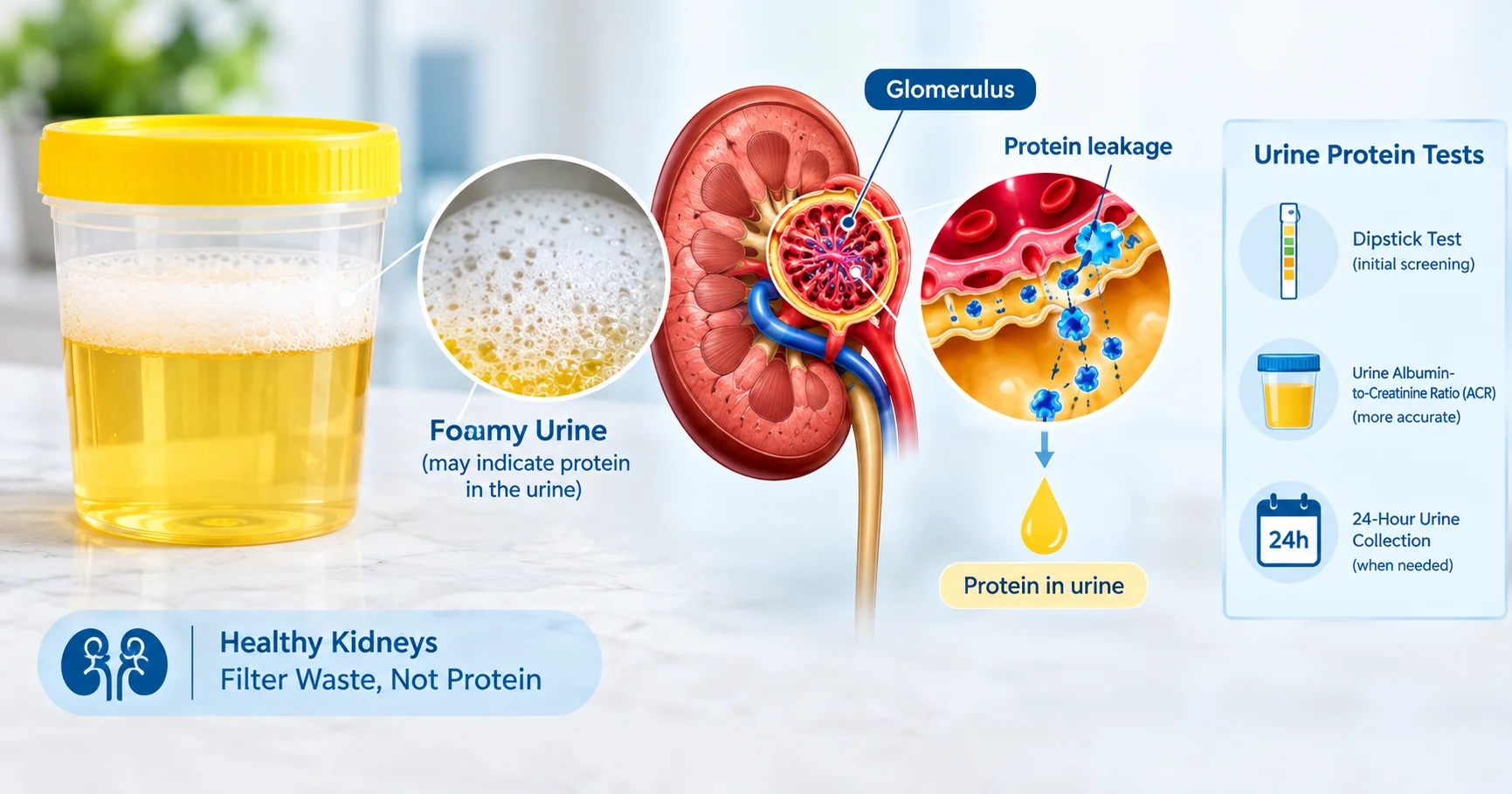
Reviewed by Dr. Jyoti Bansode, MBBS, MD Medicine, DM Nephrology (10+ years experience). Special interest: glomerular diseases. Seeing bubbles or a persistent foam on the surface of your urine can be unsettling. While occasional bubbles are normal, a consistently foamy stream may be a red flag for protein leakage—a hallmark of kidney dysfunction. What Is Foamy Urine and Why It Matters? Foamy urine is defined as a dense layer of small bubbles that remains on the surface of the toilet water for several seconds after voiding. Persistent foam often reflects excess protein (proteinuria) or, less commonly, blood (hematuria) in the urine, both of which can point to underlying kidney disease. According to a 2019 clinical review, persistent foam is considered a warning sign when it appears repeatedly and does not disappear quickly clinical study on foamy urine. Common Causes and Risk Factors Glomerular diseases such as minimal change disease, focal segmental glomerulosclerosis, or membranous nephropathy. Diabetes mellitus – high blood sugar damages the filtering units of the kidneys diabetes and kidney damage. Hypertension – long‑term high blood pressure strains glomeruli. Infections or inflammation of the urinary tract. Dehydration or rapid urine flow that traps air. Use of certain cleaning agents in the toilet that create artificial bubbles. Symptoms and Warning Signs Persistent foamy or bubbly urine (more than a few times a week). Swelling in the ankles, feet, or around the eyes (edema). Fatigue, especially after meals. Blood in the urine (hematuria) – visible pink or red tint. Decreased urine output or a feeling of incomplete emptying. High blood pressure that is difficult to control. How Doctors Evaluate Foamy Urine Urine Protein Tests The first step is a simple dip‑stick test that detects protein. For a more accurate assessment, clinicians order a urine albumin‑to‑creatinine ratio (ACR) or a 24‑hour urine protein collection. An ACR >30 mg/g is considered abnormal and may signal early kidney damage. Blood Tests and Imaging Blood work includes serum creatinine and estimated glomerular filtration rate (eGFR) to gauge overall kidney function. Imaging such as renal ultrasound can rule out structural causes like obstruction or cysts. Interpreting Test Results Normal vs. Pathologic Findings Occasional mild proteinuria (300 mg/g, especially when accompanied by hematuria, warrants further investigation for glomerular disease. When Findings Indicate Kidney Disease If the urine ACR is in the “moderate” (30‑300 mg/g) or “high” (>300 mg/g) range, and eGFR is below 60 mL/min/1.73 m², the pattern aligns with chronic kidney disease (CKD). In such cases, early intervention—blood pressure control, glycemic management, and possibly ACE inhibitors or ARBs—can slow progression. When to Seek Specialist Care Primary‑care providers often manage early kidney changes, but you should see a nephrologist when any of the following occur: Proteinuria persists on repeat testing despite lifestyle changes. eGFR falls below 60 mL/min/1.73 m². Visible blood in the urine or unexplained swelling. Blood pressure remains uncontrolled (>140/90 mmHg) while on three antihypertensives. You have a known risk factor such as diabetes, hypertension, or a family history of kidney disease. For a deeper dive into kidney‑function testing, read our guide on the <a href=”eGFR test and learn why high creatinine levels matter in <a href=”high creatinine causes. If you’re concerned about protein and blood in your urine, the detailed explanation on <a href=”foamy urine kidney disease provides a solid foundation. Practical Steps You Can Take Today Stay well‑hydrated; aim for at least 2 L of water daily. Limit high‑protein diets if you already have proteinuria; discuss with a dietitian. Control blood pressure and blood sugar aggressively. Schedule a repeat urine ACR in 2‑4 weeks to confirm persistence. Keep a symptom diary—note foam frequency, any swelling, and blood pressure readings. For additional reading on how foamy urine relates to broader kidney health, see the overview from HealthGrades and the patient‑focused guide from the Cleveland Clinic. Frequently Asked Questions Is occasional foamy urine normal? Yes, a single layer of bubbles that disappears quickly after a forceful stream is usually harmless and caused by air mixing with urine. Proteinuria above 30 mg/g on a urine ACR, especially if it persists on repeat testing, should be evaluated for kidney disease. Can dehydration cause foamy urine? Dehydration concentrates urine, which can increase foam, but the foam typically clears quickly; persistent foam still warrants testing. How quickly should I see a doctor if I notice blood in my urine? Any visible blood (hematuria) should prompt a medical visit within 24‑48 hours to rule out infection, stones, or kidney disease. Do over‑the‑counter supplements cause foamy urine? Some supplements, especially high‑dose vitamin C or protein powders, can temporarily increase urine protein, but persistent foam still requires evaluation. Is a low‑salt diet helpful for foamy urine? Reducing sodium can lower blood pressure and reduce kidney strain, which may help lessen protein leakage over time. Is a low‑salt diet helpful for foamy urine? Reducing sodium can lower blood pressure and reduce kidney strain, which may help lessen protein leakage over time. Conclusion If foamy urine appears repeatedly, it’s worth investigating with a urine protein test and basic kidney labs. Early detection can prevent irreversible damage, so schedule a check‑up promptly.

Foamy Urine: When Could It Be a Sign of Kidney Disease?

Introduction: Can Foamy Urine Be a Sign of Kidney Disease? Foamy urine is not always a sign of kidney disease. Occasional bubbles can occur because of the force of urination, dehydration, or other temporary factors. However, urine that is persistently very foamy or bubbly—particularly when accompanied by swelling, blood in the urine, high blood pressure, or abnormal kidney-test results—may indicate excess protein in the urine. A urine test, including a urine albumin-to-creatinine ratio (uACR), can help determine whether protein is present. Key Takeaways Occasional foamy or bubbly urine does not necessarily mean you have kidney disease. Persistent or repeatedly foamy urine can sometimes be associated with proteinuria, meaning excess protein in the urine. A urinalysis and urine albumin-to-creatinine ratio (uACR) can help check for protein or albumin in urine. Blood in the urine, swelling, high blood pressure, reduced kidney function, or persistent proteinuria may require further evaluation. Diabetes and high blood pressure are important kidney-disease risk factors. Persistent or unexplained abnormalities should be assessed by a healthcare professional rather than diagnosed from urine appearance alone. What Is Foamy Urine Kidney Disease? “Foamy urine kidney disease” is not a specific medical diagnosis. Foamy urine is a possible symptom or visible finding that can occur when there is excess protein in the urine. Healthy kidneys normally prevent most blood proteins, including albumin, from passing into urine. When the kidney’s filtering structures are damaged, protein can leak into the urine. This is called proteinuria or albuminuria, and it can sometimes make urine appear foamy or bubbly. However, the appearance of urine alone cannot establish whether kidney disease is present. Testing is needed to determine whether protein, blood, infection, or another abnormality is responsible. What Causes Foamy Urine? 1. Temporary or Non-Kidney Causes Not every episode of foamy urine indicates kidney damage. Bubbles may appear when urine hits the toilet water with greater force. Temporary changes in urine concentration can also affect its appearance. If the foam occurs occasionally and there are no other concerning symptoms, it may not represent kidney disease. Persistent changes, however, are worth discussing with a healthcare professional. 2. Proteinuria or Albuminuria One important kidney-related cause of persistent foamy urine is proteinuria. Protein is normally retained in the bloodstream by the kidney’s filtering system. When those filters become damaged, protein may pass into urine. Increased albumin in urine can be an early marker of kidney damage. Proteinuria can occur with several kidney conditions, including diseases affecting the glomeruli—the tiny filtering structures of the kidneys. For more information, see protein and blood in urine. 3. Diabetes and Kidney Disease Diabetes can damage the kidneys over time. One of the important laboratory findings can be albumin or protein leaking into urine. Early diabetic kidney disease may have few or no noticeable symptoms, which is why appropriate urine and blood testing is important for people with diabetes. Learn more about diabetes and kidney diseases. 4. Glomerular Diseases Glomerular diseases affect the kidney’s filtering units and may cause proteinuria, blood in the urine, swelling, and high blood pressure. Foamy urine can occur when significant protein is lost through the kidneys. Some glomerular conditions can be temporary or treatable, while others may cause progressive kidney damage. The underlying cause needs to be identified before treatment can be planned. What Are the Symptoms of Foamy Urine Kidney Disease? Foamy urine itself is a finding rather than a diagnosis. Pay attention to whether it occurs repeatedly and whether other symptoms are present. Possible associated findings include: – Persistent or recurrent foamy urine – Swelling around the eyes, feet, ankles, or legs – Blood in the urine – High blood pressure – Changes in urination – Unexplained weight gain from fluid retention – Fatigue or reduced energy – Abnormal creatinine or eGFR results – Glomerular diseases, for example, can cause proteinuria, hematuria, swelling, and high blood pressure. Importantly, early kidney disease may cause no obvious symptoms, so normal-looking urine does not necessarily mean that kidney function is normal. Who Is at Risk? The likelihood of kidney disease is higher in people with certain underlying conditions or risk factors, including: – Diabetes – High blood pressure – A known kidney disease – Previous abnormal urine tests – A family history of kidney disease – Conditions that affect the kidney’s filtering units – Certain systemic or autoimmune diseases – Previous episodes of kidney injury Diabetes is an important cause of kidney disease, while long-standing high blood pressure can also contribute to kidney damage. How Is Foamy Urine Kidney Disease Diagnosed? A doctor does not diagnose kidney disease simply by looking at the urine. The evaluation usually combines symptoms, medical history, blood pressure measurements, urine testing, blood tests, and additional investigations when required. Blood Tests A blood test can measure serum creatinine, which is used to estimate kidney filtration through the estimated glomerular filtration rate (eGFR). The eGFR helps assess how well the kidneys are filtering blood. Kidney function should generally be interpreted alongside urine findings, previous results, medical history, and other clinical information. A single abnormal result does not necessarily establish chronic kidney disease. Chronic kidney disease involves abnormalities of kidney structure or function that persist for more than three months. Urine Tests Several urine tests may be useful: 1. Urinalysis: A routine urine examination can look for protein, blood, and other abnormalities. 2. Urine albumin-to-creatinine ratio (uACR): The uACR measures albumin in relation to creatinine in a spot urine sample. It is commonly used to detect albuminuria. 3. Urine protein-to-creatinine ratio (uPCR): This can be used in some situations to assess total urine protein rather than albumin alone. Persistent albuminuria is more meaningful than an isolated abnormal result. Other factors can temporarily influence urine protein levels, so your doctor may recommend repeat testing. Imaging / Other Tests Depending on the findings, a doctor may recommend kidney imaging, additional blood or urine tests, or, in selected cases, a kidney biopsy. A biopsy is not required for everyone with foamy urine. It is considered when the clinical findings suggest that

Can Diabetes Damage Your Kidneys? Early Signs & Tests

Can Diabetes Damage Your Kidneys? Yes. Diabetes can gradually damage the kidneys, particularly when blood glucose or blood pressure remains above the person’s recommended target over time. The condition is commonly called diabetic kidney disease or diabetic nephropathy. One important problem is that diabetes kidney damage symptoms may not appear during the early stages. A person may feel completely well while changes such as albumin leaking into the urine or a reduction in kidney filtration are already developing. This is why kidney testing is important even when there are no obvious symptoms. Patients with diabetes can learn more about the relationship between diabetes and kidney health through Diabetes & Kidney Diseases. Quick Answer Diabetes can damage the kidneys without causing early symptoms. Two of the most useful tests are a blood test used to calculate eGFR and a urine albumin-to-creatinine ratio (UACR). Protein or albumin in urine can sometimes appear before a major reduction in kidney filtration is detected. What Is Diabetic Kidney Disease? diabetes-kidney-tests-uacr-egfr-creatinine Diabetic kidney disease is kidney damage associated with diabetes. The kidneys contain tiny filtering structures that remove waste and extra fluid from the blood. Over time, diabetes can affect these filtering structures and the blood vessels supporting them. Kidney damage may lead to albumin or protein leaking into urine, changes in eGFR and, in some people, worsening chronic kidney disease. High blood pressure can further contribute to kidney damage, making blood pressure management particularly important for people with diabetes. For more information on long-term kidney-function problems, see Acute & Chronic Kidney Diseases. What Are the Early Signs of Kidney Damage From Diabetes? Early diabetic kidney disease often causes no noticeable symptoms. This is why waiting for physical symptoms is not a reliable way to protect kidney health. As kidney disease becomes more advanced, possible symptoms can include: – Swelling around the feet, ankles, hands or eyes – Foamy or unusually bubbly urine – Blood pressure becoming more difficult to control – Tiredness or weakness – Changes in urination – Reduced appetite – Nausea – Shortness of breath or increasing fluid retention These symptoms are not specific to diabetic kidney disease, so they should not be used for self-diagnosis. Persistent or unexplained symptoms require medical evaluation. Mayo Clinic similarly identifies swelling, foamy urine, harder-to-control blood pressure and fatigue among possible later-stage symptoms. What Tests Check for Diabetes-Related Kidney Damage? 1. Urine Albumin-to-Creatinine Ratio — UACR The UACR test looks for albumin, a blood protein, leaking into urine. Healthy kidneys normally keep most albumin in the bloodstream. Persistent elevation in urine albumin can be an early marker of kidney damage. Importantly, one abnormal result does not always establish chronic kidney disease because factors such as infection, strenuous exercise, fever, marked hyperglycemia, menstruation or very high blood pressure can temporarily increase UACR. The 2026 ADA guidance recommends confirming albuminuria when two of three samples within about 3–6 months are abnormal. 2. Serum Creatinine and eGFR Creatinine is measured with a blood test. The result is used with other information to estimate the glomerular filtration rate, or eGFR, which gives a better indication of kidney filtration than looking at creatinine alone. A normal-looking creatinine value does not always tell the entire story because creatinine can vary with factors such as muscle mass. This is one reason doctors interpret creatinine together with eGFR, urine results and the patient’s overall medical history. diabetic-kidney-disease-symptoms What Do UACR and eGFR Results Mean? Test result General interpretation UACR below 30 mg/g Normal to mildly increased albumin UACR 30–299 mg/g Moderately increased albuminuria UACR ≥300 mg/g Severely increased albuminuria eGFR ≥90 Normal/high filtration; kidney disease can still exist if other markers are abnormal eGFR 60–89 Mild reduction; interpretation depends on other evidence of kidney damage eGFR 30–59 Moderate to significant reduction eGFR 15–29 Severe reduction in kidney function eGFR below 15 Kidney failure range requiring specialist assessment An eGFR persistently below 60 mL/min/1.73 m² and/or persistent urine albumin above 30 mg/g can indicate chronic kidney disease. Results should be interpreted over time rather than from a single number, especially when kidney function is changing rapidly. How Often Should People With Diabetes Get Kidney Tests? According to the American Diabetes Association Standards of Care in Diabetes—2026, kidney function should generally be assessed with UACR and eGFR at least once a year in everyone with type 2 diabetes and in people with type 1 diabetes who have had diabetes for five years or longer. If chronic kidney disease is already present, monitoring may be required one to four or more times per year, depending on kidney stage, albuminuria, treatment and the patient’s clinical condition. Your doctor should decide the appropriate testing frequency. Why Is Early Detection Important? Detecting kidney changes before major symptoms develop gives the treating team an opportunity to assess possible causes and address factors that may contribute to further kidney damage. Management may involve improving diabetes control, managing blood pressure, reviewing medications, assessing cardiovascular risk and monitoring kidney function. Current diabetes guidelines also include kidney-protective therapies for selected patients, but treatment depends on factors such as eGFR, urine albumin, blood pressure, diabetes type, other health conditions and current medicines. Patients who also have difficult-to-control blood pressure can read about Resistant Hypertension. How Is Diabetic Kidney Disease Managed? There is no single treatment suitable for every patient. Management starts with identifying the degree of kidney involvement and controlling the conditions contributing to it. Depending on the patient’s situation, care may include individualized blood glucose management, blood pressure treatment, medication review, monitoring UACR and eGFR, dietary advice where appropriate and treatment of other cardiovascular or kidney risk factors. The aim is to protect remaining kidney function and reduce the risk of progression rather than promising a guaranteed reversal. Risks and Important Considerations People with diabetes should avoid assuming that every creatinine increase is automatically caused by diabetes. Other kidney diseases, dehydration, medicines, urinary obstruction, infection and acute illness can also affect kidney function. NIDDK specifically advises that diabetes should not automatically be assumed to be

Early Signs of Chronic Kidney Disease: Symptoms Often Missed

Chronic kidney disease (CKD) can develop quietly. In its early stages, many people have no obvious symptoms, which is why abnormal blood pressure, urine protein, rising creatinine or a reduced eGFR may be noticed before a patient actually feels unwell. As kidney function declines, symptoms such as unusual tiredness, swelling, foamy urine, changes in urination, poor appetite or itching may appear. People with diabetes, high blood pressure, heart disease or a family history of kidney disease should not wait for symptoms before checking kidney health. Patients with abnormal kidney reports can seek evaluation from a nephrologist in Navi Mumbai or Vashi to understand whether further testing or monitoring is needed. What Is Chronic Kidney Disease? Early Signs of Chronic Kidney Disease Chronic kidney disease is a long-term condition in which the kidneys become damaged or gradually lose their ability to filter waste and excess fluid from the blood effectively. CKD is commonly associated with conditions such as diabetes and long-standing high blood pressure. Other causes can include inherited kidney disorders, autoimmune diseases, urinary obstruction and repeated or prolonged exposure to certain kidney-affecting medicines. Patients who want to understand CKD in more detail can explore Dr. Jyoti Bansode’s Acute & Chronic Kidney Diseases service page. Acute & Chronic Kidney Diseases Why Are the Early Signs of Chronic Kidney Disease Important? One of the biggest challenges with CKD is that the kidneys can compensate for reduced function for a long time. This means a patient can feel normal even when kidney damage has already started. Mayo Clinic notes that early chronic kidney disease often produces few or no noticeable symptoms. Symptoms tend to become clearer as kidney function declines. Finding CKD early gives doctors an opportunity to identify the cause, control contributing conditions and monitor kidney function before the disease becomes more advanced. What Early Kidney Disease Signs Do Patients Often Miss? 1. Unusual Tiredness Persistent fatigue or reduced energy can occur when kidney function becomes impaired. However, tiredness can have many causes, which is why it is often overlooked. 2. Foamy or Frothy Urine Persistently foamy urine can sometimes indicate protein leaking into the urine. Protein or albumin in the urine can be an important sign of kidney damage. 3. Swelling Around the Feet or Ankles Kidneys help regulate fluid and salt. When kidney function declines, excess fluid can contribute to swelling in the feet, ankles or sometimes around the eyes. 4. Changes in Urination Some patients notice that they urinate more frequently, especially at night. Others may notice changes in urine quantity, appearance or frequency. 5. High Blood Pressure High blood pressure can damage the kidneys, but kidney disease can also make blood pressure more difficult to control. Persistent or difficult-to-control hypertension therefore deserves attention. 6. Poor Appetite or Nausea Reduced appetite, nausea or an unusual taste in the mouth may occur as kidney disease becomes more advanced. 7. Dry or Itchy Skin Persistent itching can occur in more advanced kidney disease and may be related to changes in mineral balance and the buildup of substances normally cleared by healthy kidneys. 8. Muscle Cramps or Trouble Sleeping Muscle cramps and sleeping problems are also reported in people with worsening kidney disease, although these symptoms are not specific to CKD. What Are the Different Stages of Chronic Kidney Disease? CKD is generally categorized into stages based largely on estimated glomerular filtration rate (eGFR) together with evidence of kidney damage such as urine albumin. CKD Category eGFR General Meaning G1 90 or above Normal/high filtration with other evidence of kidney damage G2 60–89 Mildly reduced filtration with evidence of kidney damage G3a 45–59 Mild to moderate reduction G3b 30–44 Moderate to severe reduction G4 15–29 Severe reduction G5 Below 15 Kidney failure range The number should always be interpreted by a healthcare professional because one eGFR result alone does not necessarily establish CKD. What Are the Benefits of Detecting CKD Early? Early detection can help identify potentially treatable or controllable causes of kidney damage. For example, controlling diabetes and blood pressure, reviewing medicines and monitoring urine protein may help reduce additional stress on the kidneys. Diabetes is an important cause of chronic kidney disease. Patients with both diabetes and abnormal kidney tests can learn more about Diabetes & Kidney Diseases. Diabetes & Kidney Diseases How Is Early Chronic Kidney Disease Detected? Because symptoms are often absent, blood and urine tests are particularly important. Kidney evaluation may include serum creatinine, eGFR, urine routine examination and the urine albumin-to-creatinine ratio (UACR). NIDDK identifies eGFR and urine albumin as two key markers used when assessing chronic kidney disease. A UACR above 30 mg/g is considered abnormal and may indicate albuminuria. Doctors may repeat abnormal tests because kidney disease is generally evaluated using persistent findings rather than relying on a single result. Who Should Consider Regular Kidney Testing? kidney-function-testing-monitoring Regular kidney monitoring is particularly important for people with: – Diabetes – High blood pressure – Heart disease – Previous kidney problems – Family history of kidney failure – Abnormal creatinine or eGFR – Protein or blood detected in urine People with these risk factors may have kidney damage before noticeable symptoms appear. Risks and Important Considerations Symptoms such as tiredness, swelling or frequent urination do not automatically mean that someone has CKD. Many other conditions can produce similar symptoms. At the same time, patients should not ignore persistent symptoms or abnormal kidney reports. Avoid self-treatment with excessive water, herbal remedies or unverified “kidney detox” products. Kidney treatment should depend on the underlying cause and individual kidney function. What Factors Affect the Cost of CKD Evaluation? There is no single fixed cost for chronic kidney disease evaluation because different patients require different investigations. Costs may depend on the nephrology consultation, creatinine and eGFR testing, urine tests, UACR, blood pressure assessment, ultrasound or other investigations. Patients with established CKD may also need ongoing monitoring depending on the stage and underlying cause. Expert Insights: When Should You See a Nephrologist? Consider seeing a nephrologist if you have persistently